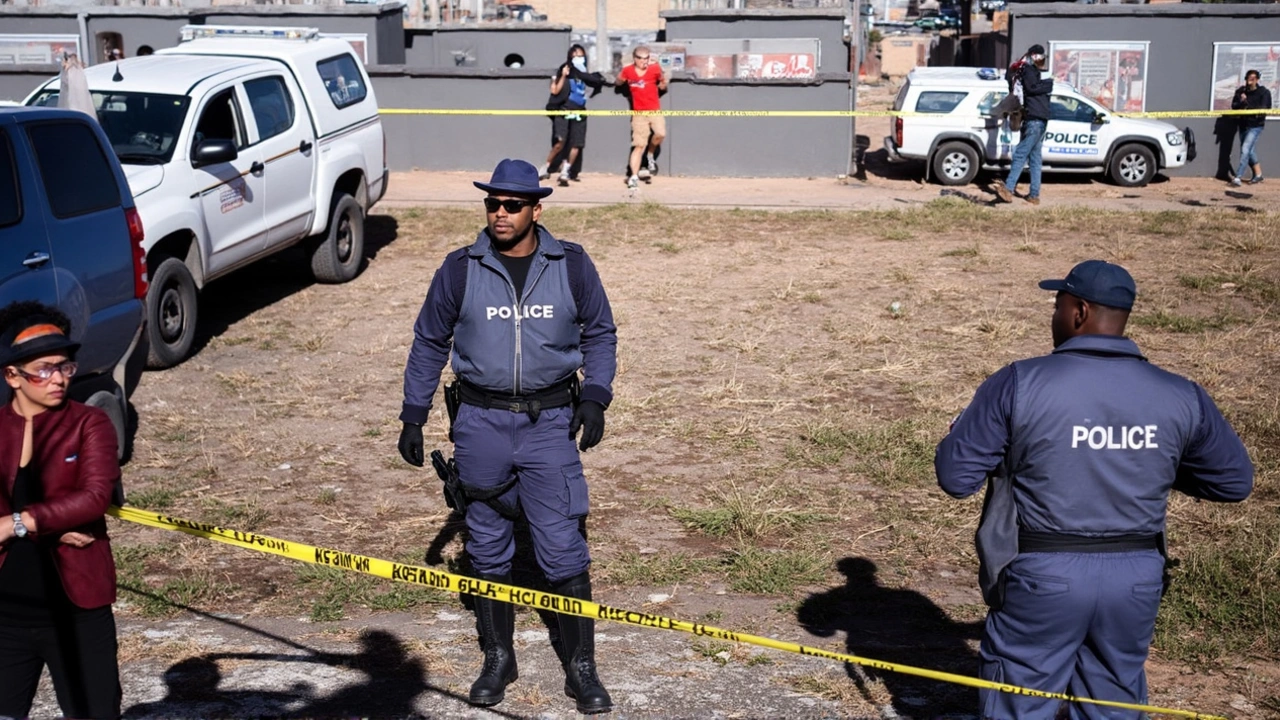
A Shocking and Tragic Loss
In a tragic incident reflecting the ongoing struggles for LGBTQ+ safety, Muhsin Hendricks was killed in cold blood. Known globally as the world’s first openly gay cleric, Hendricks was targeted and murdered near Gqeberha, South Africa, on February 15, 2025. This brutal assassination occurred while he was traveling with someone else, when a car suddenly blocked their route. Two masked assailants emerged, shooting multiple times without mercy.
Hendricks had made waves not just in South Africa but internationally, by bravely spearheading the Al-Ghurbaah Mosque in Cape Town. This mosque wasn’t ordinary; it served as a sanctuary for LGBTQ+ Muslims and marginalized women, offering a safe space often hard to find in traditional religious communities. Despite death threats shadowing his life, Hendricks stood firm, emphasizing compassion and acceptance.
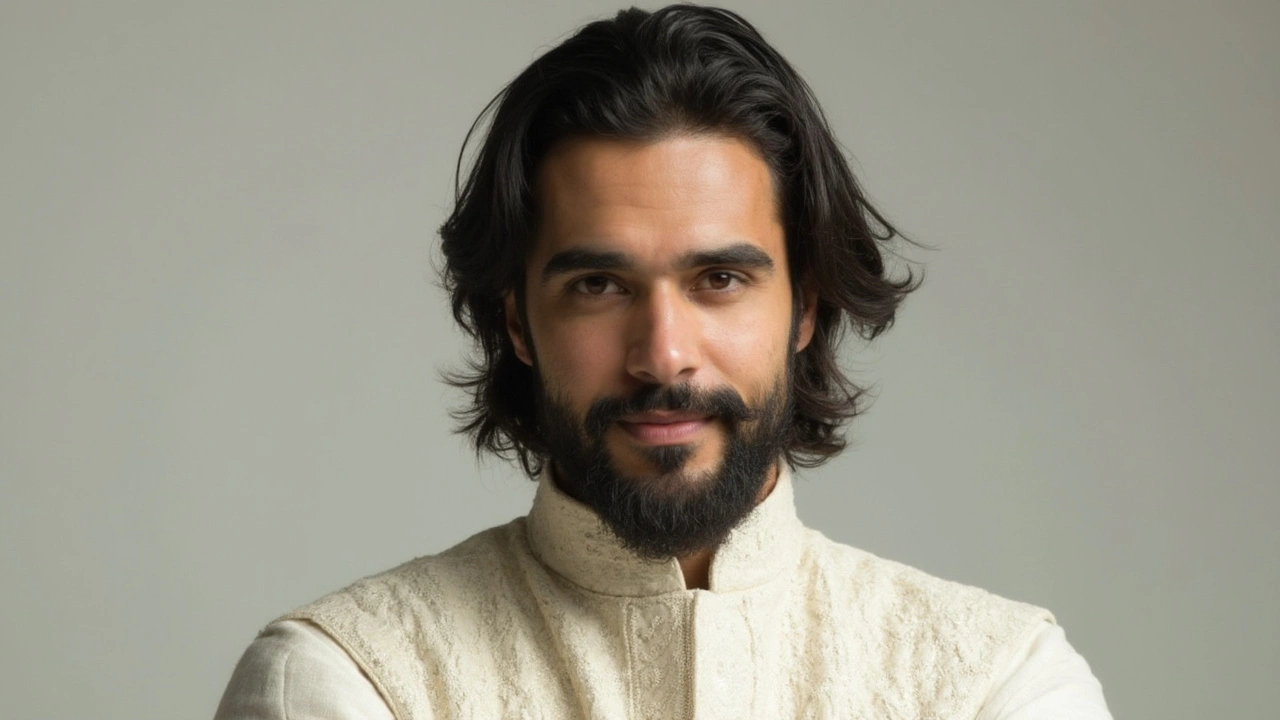
Reflecting on the Broader Issue
The death of Muhsin Hendricks cast a glaring spotlight on the threats still facing LGBTQ+ advocates in a country where violence is unfortunately not uncommon. As highlighted by South Africa’s staggering annual figure of 28,000 murders, safety concerns remain ever-present. Hendricks' murder isn’t just a tragic loss for those who knew him but a call to action regarding the persistent dangers risked by people who openly support and belong to the LGBTQ+ community.
His life and work were notably featured in the 2022 documentary, The Radical. This film underscored his radical yet heartening approach of merging faith with inclusivity, challenging traditional norms while fostering love and understanding. The brutal end to such a pioneering life is a somber reminder of the unresolved issues plaguing LGBTQ+ rights and safety in South Africa.
As mourners gather to remember Hendricks for his courage and groundbreaking leadership, there is an urgent call for action — not just to seek justice for his murder but to bolster protections for all who dare to live openly and advocate fiercely for change.
Frankie Mobley
February 16, 2025 AT 17:40It’s heartbreaking to hear about Muhsin Hendricks’ death. He was a true pioneer who showed that faith and LGBTQ+ identity can coexist. His work at Al‑Ghurbaah Mosque gave many people a safe place to gather and feel accepted. We need to keep his spirit alive by supporting similar initiatives worldwide.
ashli john
February 16, 2025 AT 18:46His courage really inspires us to keep fighting for love and safety everywhere
Kim Chase
February 16, 2025 AT 19:53I think we all need to look at how many queer Muslims still feel unsafe in their own communites. Hendricks showed a way forward and his loss is a big reminder that the fight isnt over yet. We should push for more inclusive spaces in mosques and other places of worship. Let’s honor his memory by doing the work he started.
David Werner
February 16, 2025 AT 21:00What a chilling reminder that shadowy forces are still out there, orchestrating terror against anyone who dares to deviate from the norm! The sudden blockade, the masked gunmen-it's like something straight out of a dark thriller. This isn’t just a random crime; it feels like a calculated message to silence progressive voices. We must stay vigilant and expose the hidden networks that enable such brutality.
Paul KEIL
February 16, 2025 AT 22:06One must consider the sociopolitical ramifications of such an event; the intersectionality of religious identity, sexual orientation, and minority status creates a complex risk matrix. While public discourse tends toward emotive narratives, a data‑driven approach is essential for policy formulation. The incident underscores a systemic failure to integrate LGBTQ+ considerations within broader security frameworks.
Horace Wormely
February 16, 2025 AT 23:13There are several grammatical errors in the original post that should be corrected. For example, "their route" should be "its route" because the pronoun refers to the car, not multiple people.
christine mae cotejo
February 17, 2025 AT 00:20When we reflect on the tragedy of Muhsin Hendricks, we are forced to confront the stark reality that love and acceptance still face violent opposition in many parts of the world. His life was a testament to the power of bridging seemingly disparate identities, demonstrating that faith does not have to be a barrier to embracing one’s true self. The Al‑Ghurbaah Mosque he founded served not only as a sanctuary for LGBTQ+ Muslims, but also as a beacon of hope for marginalized women seeking community. By creating this space, he challenged entrenched religious doctrines that have historically excluded queer individuals, paving the way for a more inclusive interpretation of spirituality. The murder that silenced his voice is a reminder that progress is often met with fierce resistance, and that the fight for safety and dignity is far from over. It also highlights the alarming prevalence of hate‑motivated violence in South Africa, a nation that, despite its progressive constitution, still grapples with high rates of murder and discrimination. The statistic of 28,000 annual murders underscores the urgency of systemic reforms that protect vulnerable populations. Moreover, Hendricks’ story has resonated globally, inspiring activists, scholars, and believers to re‑examine the intersection of faith and sexuality. His presence in the documentary "The Radical" amplified his message, reaching audiences who might never have encountered such narratives otherwise. As we mourn his loss, we must also celebrate his legacy by continuing the work he began, ensuring that every person, regardless of gender identity or sexual orientation, can worship without fear. Communities worldwide can honor him by supporting LGBTQ+ affirming religious organizations, funding protective legislation, and fostering dialogues that dismantle prejudice. In the broader spectrum, his death serves as a catalyst for policy makers to prioritize hate‑crime legislation and enforce stricter penalties for perpetrators. It is incumbent upon us, as global citizens, to demand accountability and to stand in solidarity with those who risk everything for love and truth. Only then can we hope to build a world where tragedies like this become relics of a darker past, rather than headlines of the present.