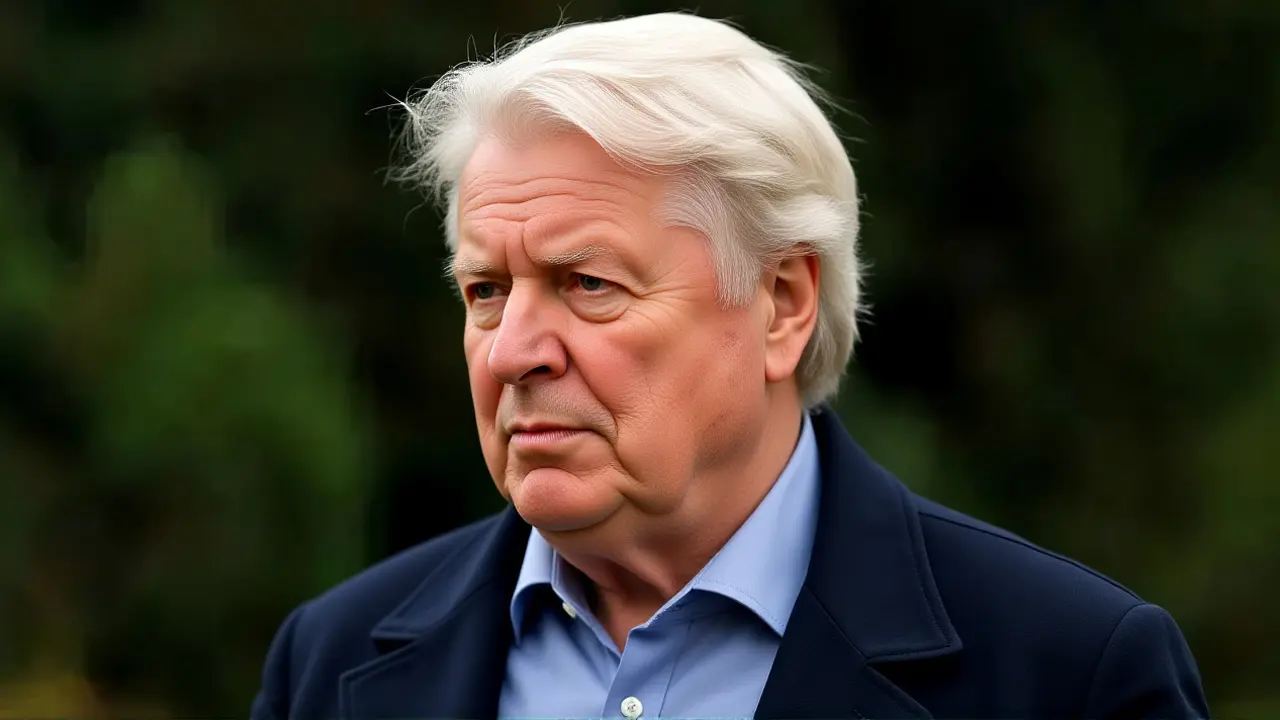
When Charles Edward Maurice Spencer, the 9th Earl Spencer, opened the doors of his family estate to discuss one of the most controversial moments in royal history, the atmosphere was thick with unresolved tension. He didn't just talk about it; he reflected on it deeply, standing in the very rooms where his sister, Diana Frances Spencer, once lived.
The setting was Althorp House, the ancestral home of the Spencer family in Northamptonshire. It's a place steeped in memory, not just for the Spencers, but for millions who followed the tragic arc of Diana's life. Here, the Earl addressed the elephant in the room: the infamous 1995 BBC Panorama interview.
The Shadow of the Panorama Interview
Here's the thing about that interview—it changed everything. Broadcast on November 23, 1995, it wasn't just a chat. It was a nuclear bomb dropped on the British monarchy. Diana spoke candidly about her marriage to Prince Charles, her struggles with bulimia, and the isolation she felt within the palace walls. The public was captivated. The Palace was furious.
But behind the scenes, there was a darker story. For decades, the Earl has maintained that the interview was obtained through deceit. Specifically, he alleged that Martin Bashir, the journalist who conducted the interview, used forged bank statements to gain Diana's trust. These documents supposedly showed payments being made to the Earl by the media, implying he was profiting from his sister's misery.
The twist is that this allegation wasn't just gossip. It led to a formal investigation. In May 2021, Lord Jonathan Dyson, former President of the Family Division of the High Court, published a report concluding that Bashir had indeed acted unethically. The BBC apologized. But for the Earl, an apology doesn't erase the damage done to his sister's privacy or his own reputation.
Reflections from the Heart of the Home
Sitting in the quiet corridors of Althorp, the Earl's reflections carried a weight that news headlines often miss. He described the emotional toll of watching his sister be manipulated. "It wasn't just about the money," he suggested, referring to the forged documents. "It was about exploiting her vulnerability at a time when she needed support, not scrutiny."
This isn't the first time he's spoken out. In previous interviews, he has been scathing in his criticism of the media machine that consumed Diana. But speaking from the family home adds a layer of intimacy. It grounds the controversy in reality. These aren't abstract historical events; they are memories tied to specific chairs, hallways, and conversations that happened right here.
Interestingly, the Earl noted that while the public focused on the sensational quotes, the real tragedy was the erosion of trust. Diana trusted Bashir. She thought she was having a private conversation. Instead, she was performing for the world. That betrayal, according to the Earl, is what haunts the family still.
The Broader Impact on Royal Media Relations
The ripple effects of that 1995 interview are still felt today. It marked the beginning of the end for Charles and Diana's marriage, which formally dissolved in 1996. More importantly, it shifted the dynamic between the Royal Family and the press. Before Panorama, the Palace controlled the narrative tightly. Afterward, they lost that grip entirely.
Experts in media ethics point to this event as a case study in journalistic misconduct. The Dyson Report highlighted how Bashir failed to disclose his relationship with the Earl and used deception to secure access. This has led to stricter guidelines for BBC journalists, though critics argue the culture of aggressive reporting persists.
For the general public, the interview remains a cultural touchstone. It humanized Diana in a way that official portraits never could. But it also raised questions about consent and exploitation. When does interest become intrusion? The Earl's reflections at Althorp force us to revisit that question, not as historians, but as people concerned with dignity and truth.
What's Next for the Spencer Legacy?
So, what happens now? The Earl continues to guard his sister's legacy fiercely. He has been involved in various initiatives to protect her image and ensure her story is told accurately. Recent years have seen a surge in documentaries and books about Diana, many of which rely on archival footage from that very interview.
The details of any new projects or specific upcoming events at Althorp are still being finalized. However, it's clear that the Spencer family intends to keep the conversation going. They want to move beyond the scandal and focus on Diana's humanitarian work and her enduring impact on charity and mental health awareness.
As we look back, the contrast between the glamorous facade of royal life and the raw honesty of Diana's words remains stark. The Earl's presence at Althorp serves as a reminder that behind every headline is a person. And sometimes, the truth is more complicated than the broadcast suggests.
Frequently Asked Questions
Why is the Earl Spencer critical of the 1995 BBC Panorama interview?
The Earl believes the interview was secured through unethical means, specifically citing forged bank statements used by journalist Martin Bashir to deceive Princess Diana into believing the Earl was profiting from media coverage. This deception compromised her trust and safety during a vulnerable period.
What did the Dyson Report conclude about Martin Bashir?
Published in May 2021, the report by Lord Jonathan Dyson found that Martin Bashir acted unethically and dishonestly to secure the interview. It confirmed the use of forged documents and recommended that the BBC apologize, which they subsequently did.
Where did the Earl Spencer recently reflect on these events?
He reflected on the events at Althorp House, the ancestral home of the Spencer family in Northamptonshire, England. This location holds significant personal and historical importance as it was the family seat and closely associated with Diana's early life.
How did the 1995 interview affect the British Monarchy?
The interview significantly damaged the public perception of the Royal Family, accelerating the separation of Prince Charles and Princess Diana. It also forced the institution to reconsider its relationship with the media, leading to a more cautious and managed approach to public communications.
Is there any new evidence regarding the interview's acquisition?
While the Dyson Report provided a comprehensive review of existing evidence, no new physical evidence has been publicly released recently. The focus remains on the ethical implications and the lasting impact on Diana's privacy and the Spencer family's reputation.