Smartphone Camera Specs: A Practical Guide
When diving into smartphone camera specs, the technical details that determine how a phone captures images. Also known as phone camera specifications, these specs shape everything from low‑light performance to video smoothness.
One of the first entities you’ll meet is megapixels, the count of individual picture elements a sensor can record. More megapixels don’t always mean sharper photos, but they affect cropping flexibility and printing size. Next, the sensor size, the physical dimensions of the light‑gathering chip matters because a larger sensor captures more light, reducing noise in dark scenes. The aperture, expressed as an f‑number, controls how wide the lens opens. A lower f‑number (like f/1.8) lets in more light and creates a shallower depth of field, while a higher number (f/2.4) offers a wider field of view.
Why AI and Stabilization Matter
Modern phones blend hardware with software, so AI photography, machine‑learning algorithms that enhance colors, reduce blur, and recognize scenes has become a core spec. AI can turn a mediocre snapshot into a standout picture by adjusting exposure on the fly. Coupled with optical image stabilization (OIS), a hardware system that compensates for hand shake, you get steadier shots in motion and smoother video at any resolution.
These entities interact: AI processing often relies on raw data from a large sensor, while OIS provides a stable base for the algorithm to work its magic. In other words, smartphone camera specs encompass hardware (megapixels, sensor size, aperture, OIS) and software (AI enhancements) that together dictate real‑world performance.
Another related field is video capability. Frame rates, bitrates, and HDR support are extensions of the same hardware stack. A phone with a 108 MP sensor and f/1.7 aperture can record 8K video, but without sufficient processing power and heat management, the footage may lag or overheat. Therefore, when you compare phones, look at the whole package – sensor, lens, processor, and AI pipeline.
For low‑light shooters, the rule of thumb is: larger sensor + wider aperture + good OIS = better night shots. If a phone lists a 50‑mm equivalent focal length, that tells you the field of view you’ll get compared to a traditional camera. Telephoto lenses add optical zoom without sacrificing quality, while ultra‑wide lenses expand the scene but often have higher distortion.
Battery life also sneaks into the conversation because high‑resolution sensors and AI processing draw more power. Some manufacturers offset this with dedicated image signal processors (ISPs) that handle camera tasks efficiently. So, the ISP becomes an unseen but crucial spec that you might see listed as “Snapdragon Spectra” or “Apple Image Signal Processor”.
When you browse product pages, you’ll see tables that list these specs side by side. Treat each row as a piece of a puzzle: megapixels tell you raw detail, sensor size tells you light‑gathering ability, aperture tells you depth control, OIS tells you stability, AI tells you post‑capture polish, and the ISP tells you how fast the phone can process everything.
Ultimately, the best phone for you depends on which spec matters most. If you love portraits, look for a low‑f‑number and good OIS. If you’re a traveler who needs to crop, high megapixels and a versatile zoom range help. If you stream video daily, prioritize video bitrate, HDR, and a strong ISP.
Below you’ll find a curated list of recent articles that dig deeper into each of these specs, compare top models, and give you actionable tips for picking the right device for your style. Dive in to see how the theory translates into real‑world performance.
-
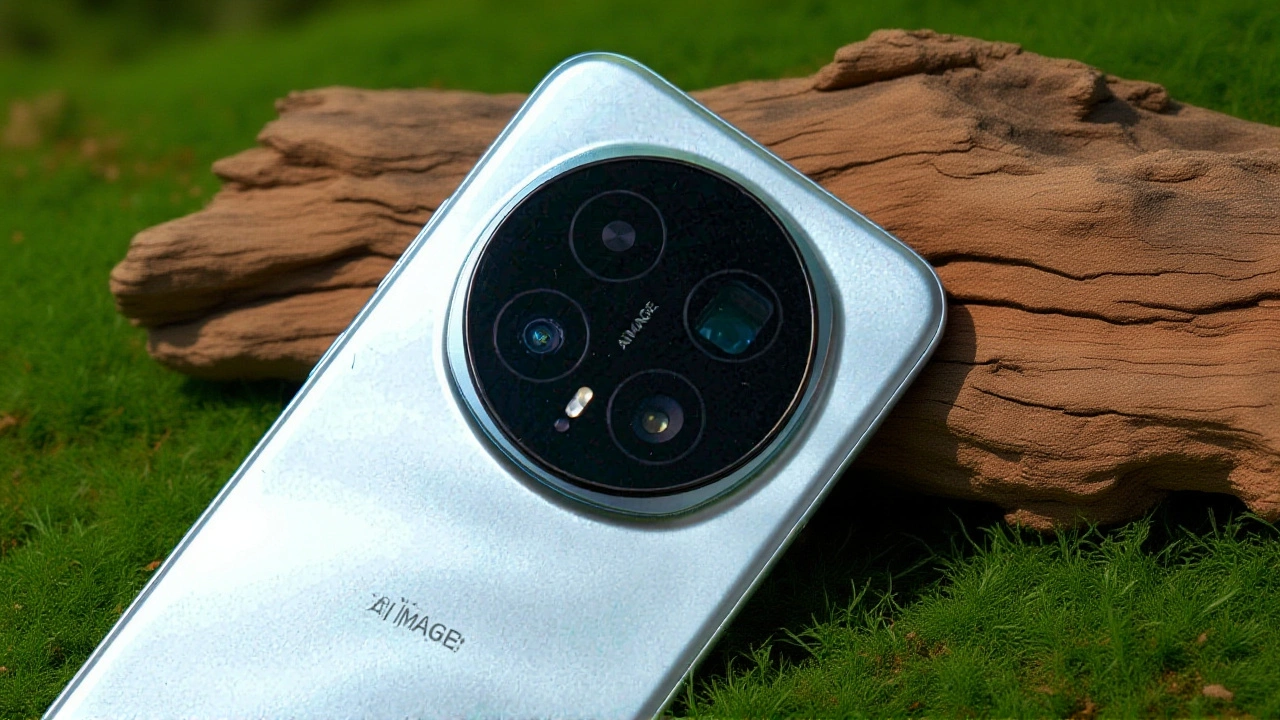
Flagship Camera Face‑off: Xiaomi 17 Pro Max vs Vivo X300 Pro, Honor Magic8 Pro & Oppo Find X9 Pro
A detailed look at Xiaomi, Vivo, Honor and Oppo flagship cameras, comparing sensors, zoom, video specs and real‑world test results from leading YouTube reviewers.