Protests in Zululand: Real Stories, Real Impact
If you’ve watched news about Zululand lately, you’ve probably seen stories about protests cropping up in the area. These events aren’t just distant headlines—they’re shaking up daily life for regular folks, affecting school runs, commutes, and how businesses operate. Protests in Zululand usually spring up for a reason, like service delivery failures, concerns about political decisions, or major employment issues in local communities.
What sets Zululand protests apart is how quickly they catch fire locally. Residents are deeply invested in their towns and villages, and when something hits home—like electricity blackouts, dodgy water supply, or municipal disputes—people get vocal. It’s common to see crowds blocking main roads with burning tires, singing struggle songs, and waving handmade banners calling for real change. If you’re living or working in Zululand, these actions aren’t abstract—they might affect how long it takes you to get to work or whether your local clinic stays open for the day.
On Zululand Daily News, we make sure you hear genuine stories. When a protest breaks out in Nongoma, Eshowe, or Empangeni, our reporters are on the ground, talking to protesters, chatting to police, and finding out what’s driving the action. You’ll see not just stats and quotes from officials, but direct voices from local leaders, parents frustrated by school closures, and business owners worried about their bottom line. If you’re looking for more than the official government statement, this is the place to get it.
It’s not just big, citywide demonstrations either. Smaller community gatherings—sometimes just a few dozen people—can have a huge ripple effect. For example, a protest about potholes or delayed RDP housing might block the main road through town, causing taxi routes to detour for hours. Even short disruptions can mean missed appointments, delayed goods, or lost wages for workers paid by the day. That’s why locals pay attention to updates, and why we keep providing them as events unfold.
But protests in Zululand aren’t just about disruption; they’re also about giving people a chance to be heard. Some demonstrations have led to mayors meeting with angry residents, or utility departments finally showing up to address grievances. Others have sparked long debates online—on Facebook pages and WhatsApp groups—about how to push for changes while keeping things peaceful and safe.
If you’re trying to keep up, our tag page will help you track ongoing and recent protests in the Zululand region. We post breaking updates, photo galleries straight from the action, and advice from local authorities on how to stay safe. Wondering if a protest will block the main road through Melmoth tomorrow morning? Want to know if the issues behind last week’s demonstration in Ulundi got sorted? Bookmark this page—you’ll find the latest, updated as it happens.
Zululand’s protest scene isn’t always easy to predict. Some flare up overnight, others are organized days in advance and announced on local noticeboards and social media. Either way, understanding what’s happening—and why—makes it easier to navigate your daily life, look out for your family, or join the push for positive change in your own corner of Zululand.
-
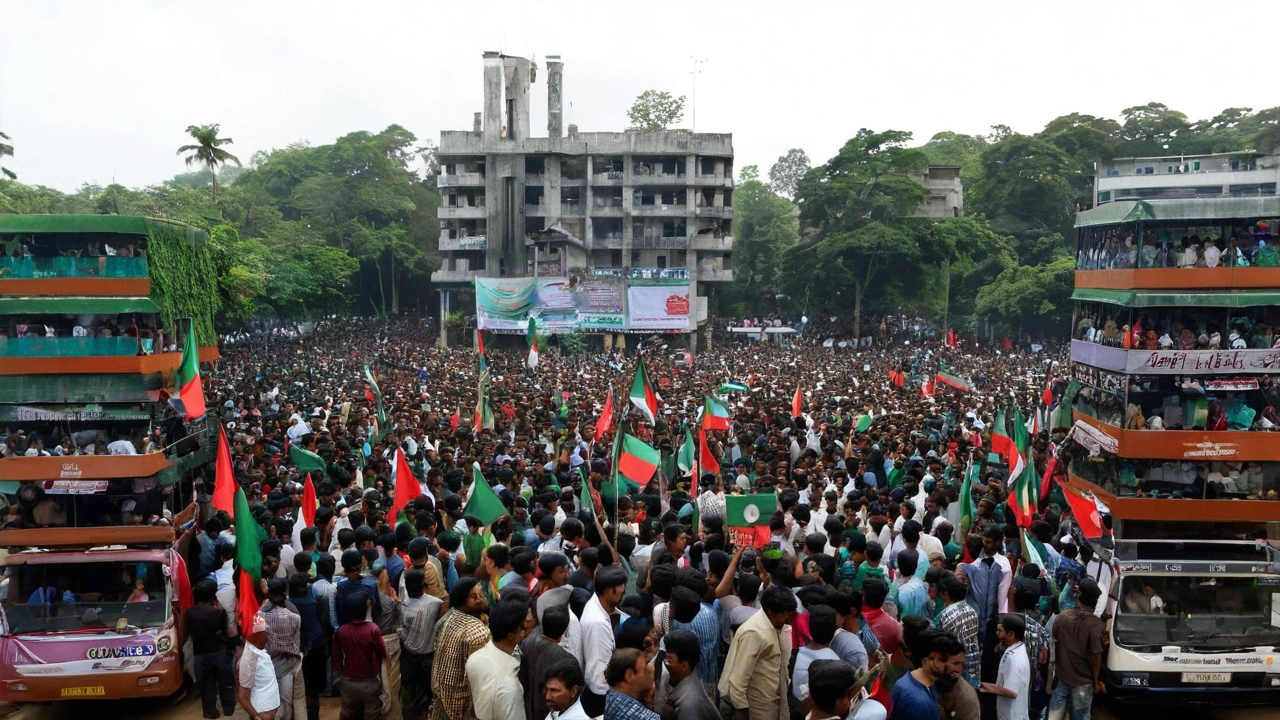
Sheikh Hasina Resigns Amid Escalating Protests: Bangladesh Faces Political Turmoil
Prime Minister Sheikh Hasina has resigned and fled Bangladesh after protesters stormed the presidential palace, sparking significant political unrest. The unrest follows allegations of corruption and economic mismanagement, leading to demands for her resignation. Clashes between protesters and security forces have exacerbated the situation as the nation faces uncertain political future.