Nelson Mandela Stadium
When talking about Nelson Mandela Stadium, the modern multi‑purpose arena in Port Elizabeth named after South Africa’s iconic leader. Also known as Nelson Mandela Bay Stadium, it opened in 2010, seats roughly 45,000 fans and serves as home ground for local football club Chippa United. The venue blends sleek design with community focus, making it a hub for sport, music and civic gatherings.
One of the key players that regularly lights up the field here is football, the world’s most popular sport, especially in South Africa’s Premier Division. Every weekend the stadium hosts a mix of league games, cup ties and international friendlies, drawing crowds that fill the stands and drive local commerce. Because of its high‑quality pitch and floodlights, the venue also meets CAF standards, allowing it to host continental tournaments when the need arises.
Beyond football, the arena doubles as a major concert, live music event space that attracts both local and global artists. From pop sensations to rock legends, the stadium’s acoustics and open‑air layout provide a memorable experience for fans, while vendors and nearby businesses reap the economic boost. The concert calendar often fills the gaps between sports fixtures, ensuring the venue stays vibrant year‑round.
The stadium’s architecture, a blend of modern engineering and cultural symbolism, reflects Nelson Mandela’s legacy of unity and progress. Designed by a team of South African architects, the structure incorporates local materials and a façade that mirrors the coastal horizon. Its construction required cutting‑edge technology, from advanced drainage systems to energy‑efficient lighting, setting a benchmark for future stadium projects across the continent.
From a business perspective, the venue’s operations illustrate how large‑scale sports facilities can influence a city’s economy. Match‑day traffic spikes boost hospitality revenues, while the stadium’s employment program offers jobs in security, catering, and maintenance. Moreover, the facility partners with schools and community groups, providing a platform for youth sports development and educational workshops.
Another important piece of the puzzle is the South African Premier Division, the top tier of football in the country, featuring clubs like Chippa United, Kaizer Chiefs and Mamelodi Sundowns. The league’s schedule often slots high‑profile matches at Nelson Mandela Stadium, leveraging its capacity and media infrastructure to attract national and international viewership. This symbiotic relationship elevates the stadium’s profile while giving the league a reliable, world‑class venue.
Maintenance and upgrades are ongoing concerns for any large arena. The stadium management conducts regular inspections of the turf, seating, and safety systems to meet FIFA and CAF certifications. Recent upgrades include a new LED scoreboard and improved Wi‑Fi coverage, enhancing the fan experience both on‑site and for those watching from home.
Community outreach programs also play a big role. The venue runs the "Mandela Youth Sports Initiative," offering free coaching clinics and mentorship for local kids. These efforts not only nurture future talent but also reinforce the stadium’s identity as a public good, echoing Mandela’s vision of sport as a tool for social change.
Looking ahead, there are plans to host more international events, such as the Africa Cup of Nations qualifiers and possibly Rugby World Cup matches, thanks to the stadium’s versatile design. These prospects keep the venue on the radar of global sporting bodies, promising further investment and exposure for Port Elizabeth.
All of this comes together to make Nelson Mandela Stadium more than just a place to watch a game—it’s a cultural landmark, an economic engine, and a community hub. Below you’ll find a curated collection of articles that dive deeper into match reports, upcoming concerts, stadium upgrades, and the stories that make this arena a focal point of South African life.
-
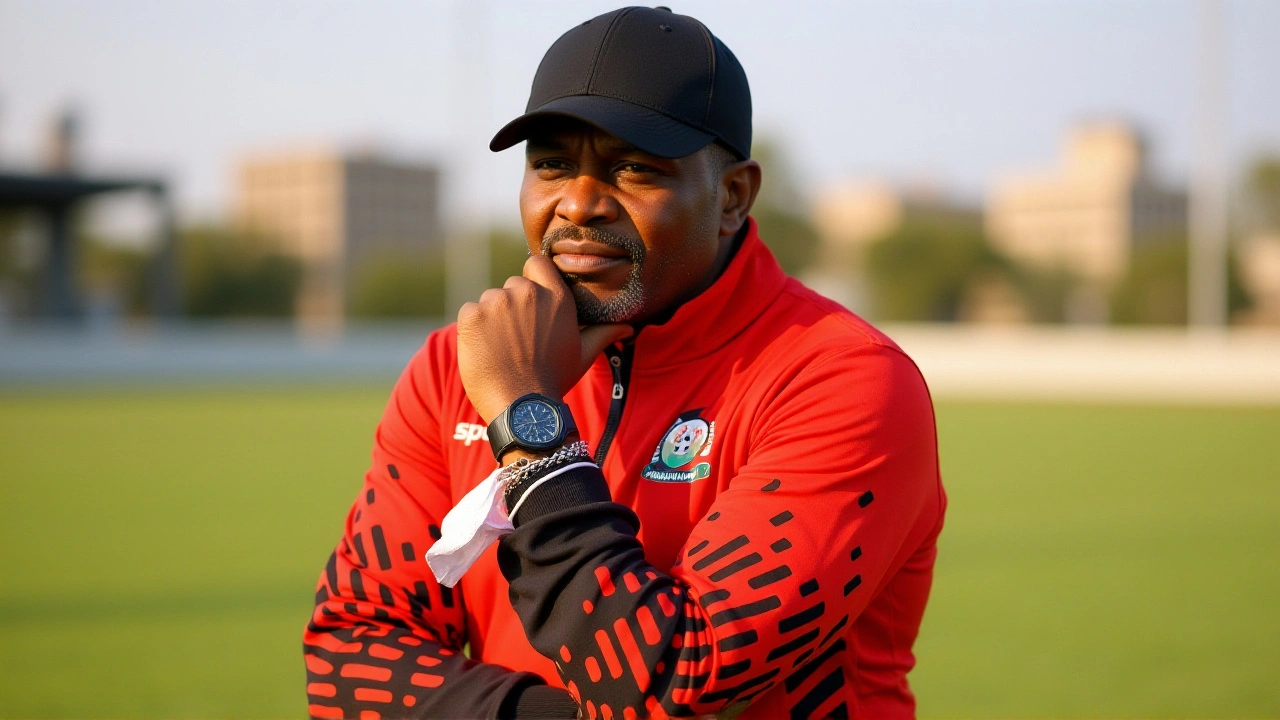
Mulee Hails South Sudan’s Rise After Kenya Draw in CHAN Qualifier
Jacob Mulee lauds South Sudan’s football rise after a 1‑1 CHAN qualifier draw in Kampala, noting progress and its impact on Kenya’s tournament hopes.