MediaTek – What You Need to Know
MediaTek, a Taiwanese semiconductor company that creates system‑on‑chip (SoC) solutions for mobile devices. Also called MTK, it powers millions of smartphone chipsets, integrated circuits that combine CPU, GPU, modem and AI engines into a single package and supports 5G technology, the fifth generation of cellular networks delivering faster data rates and lower latency.
Why MediaTek Matters in Today’s Mobile World
When you pick up a phone, the performance you feel comes from the SoC sitting under the screen. MediaTek’s chips are built on a mix of cutting‑edge process nodes and AI‑focused cores, which means smoother gaming, quicker app launches, and better battery life. The company’s recent Dimensity series targets the premium segment, offering high‑end GPUs alongside integrated 5G modems – a combo that used to require separate components. This integration cuts cost and frees up space, letting manufacturers pack bigger batteries or larger cameras without bloating the device.
Another key piece of the puzzle is the Android ecosystem. MediaTek works closely with Google to certify its SoCs for the latest Android releases, ensuring timely security patches and feature updates. This partnership means that a phone running a MediaTek chip can get the newest Android version almost as fast as a flagship from other vendors. For users who rely on regular updates, that reliability is a big selling point.
From a market perspective, MediaTek has shifted from being known mainly for budget phones to challenging the high‑end arena. In 2023 it captured over 30% of the global smartphone chipset market, a figure that grew as brands like Xiaomi, Oppo and Realme embraced its affordable yet powerful solutions. The company’s strategy of offering a wide range of chips – from entry‑level Helio models to flagship Dimensity units – lets device makers choose exactly what they need without compromising on performance.
For developers, MediaTek provides a suite of tools that simplify optimization. Its HyperEngine software enhances gaming performance by dynamically allocating resources, while its AI Engine accelerates machine‑learning tasks on the device. These tools mean that app creators can deliver richer experiences without writing extra low‑level code. In practice, you’ll notice faster image processing in camera apps, smoother AR filters, and less lag in multiplayer games.
Looking ahead, the rollout of 5G networks worldwide creates fresh opportunities. MediaTek’s integrated 5G modems support both sub‑6 GHz and mmWave bands, enabling phones to stay connected in dense urban areas as well as rural regions where lower‑frequency bands dominate. The company is also investing in next‑gen Wi‑Fi 7 and ultra‑low‑power AI chips for wearables, signaling that its influence will expand beyond smartphones into the broader Internet‑of‑Things landscape.
For everyday consumers, the practical takeaways are simple: a phone with a MediaTek processor often offers a good balance of price, performance, and future‑proofing. Whether you’re hunting a budget device that still streams 4K video, or a mid‑range phone that can handle high‑frame‑rate gaming, MediaTek’s portfolio likely has a match. Keep an eye on the chipset name in the specs – if you see “Dimensity” you’re probably looking at a phone that supports the latest 5G bands and AI features.
Below you’ll find a curated list of recent stories, analysis and updates that dive deeper into MediaTek’s latest releases, market moves and how its technology impacts everyday gadgets. Explore the collection to see how this Taiwanese chipmaker is shaping the mobile experience right now.
-
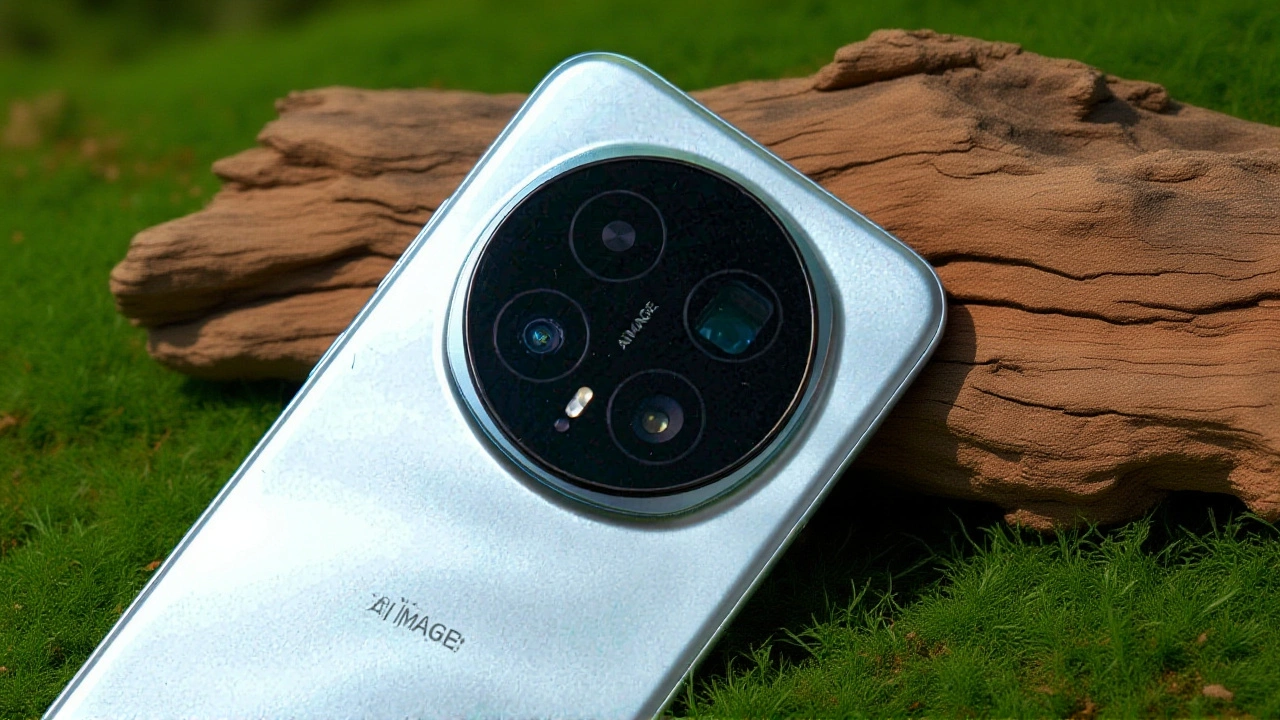
Flagship Camera Face‑off: Xiaomi 17 Pro Max vs Vivo X300 Pro, Honor Magic8 Pro & Oppo Find X9 Pro
A detailed look at Xiaomi, Vivo, Honor and Oppo flagship cameras, comparing sensors, zoom, video specs and real‑world test results from leading YouTube reviewers.