Lobola Negotiations: What You Need to Know About This Zululand Tradition
When you hear the term lobola negotiations, the process where families of the bride and groom discuss and agree on the bride price in Zulu culture. Also known as bride price, it’s not just about money—it’s about respect, connection, and building a bridge between two families. In Zululand, this isn’t a formality. It’s a living tradition that carries weight, emotion, and history. You won’t find it in a legal contract, but you’ll feel it in every handshake, every word spoken during the gathering, and every moment of silence that says more than any number ever could.
At its core, lobola, a cultural practice in Southern Africa where the groom’s family offers goods or money to the bride’s family as a sign of appreciation and commitment is about recognizing the value of the woman and the role her family played in raising her. It’s not buying a person—it’s honoring a life. The items offered can range from cattle, which are still the most traditional form, to cash, clothing, or even modern gifts like phones and appliances. What matters isn’t the price tag, but the thought, the effort, and the willingness to meet halfway. Families don’t just haggle over numbers—they talk about expectations, responsibilities, and what kind of future they’re building together. Sometimes, these talks last days. Sometimes, they stretch over weeks. And sometimes, they’re settled over a single cup of tea in the courtyard, with elders listening more than speaking.
It’s easy to misunderstand lobola as outdated, especially when seen from outside the culture. But in Zululand, it’s still alive because it works. It gives families a chance to speak face to face, to clear up doubts, and to make sure everyone is on the same page before the wedding. It’s not just the groom’s family paying—everyone has a role. The uncles, the aunts, the cousins—they all have a voice. And when the final agreement is reached, it’s not just a transaction. It’s a promise. A promise that both sides are now part of each other’s lives. This is why you’ll still see elders in rural villages sitting under acacia trees, counting cattle or writing down amounts in notebooks, while younger couples wait nervously nearby. The tradition adapts, but the heart doesn’t change.
What you’ll find in the posts below isn’t just news about recent lobola talks in Eshowe or Mpumalanga. It’s stories of families who got it right, of misunderstandings that turned into stronger bonds, of how modern life is reshaping old customs without breaking them. You’ll read about how some families now use digital payment apps to transfer lobola, while others still insist on live cattle. You’ll see how young people are pushing for transparency, and how elders are finding new ways to keep the spirit alive. This isn’t about clinging to the past. It’s about carrying it forward—on their own terms.
-
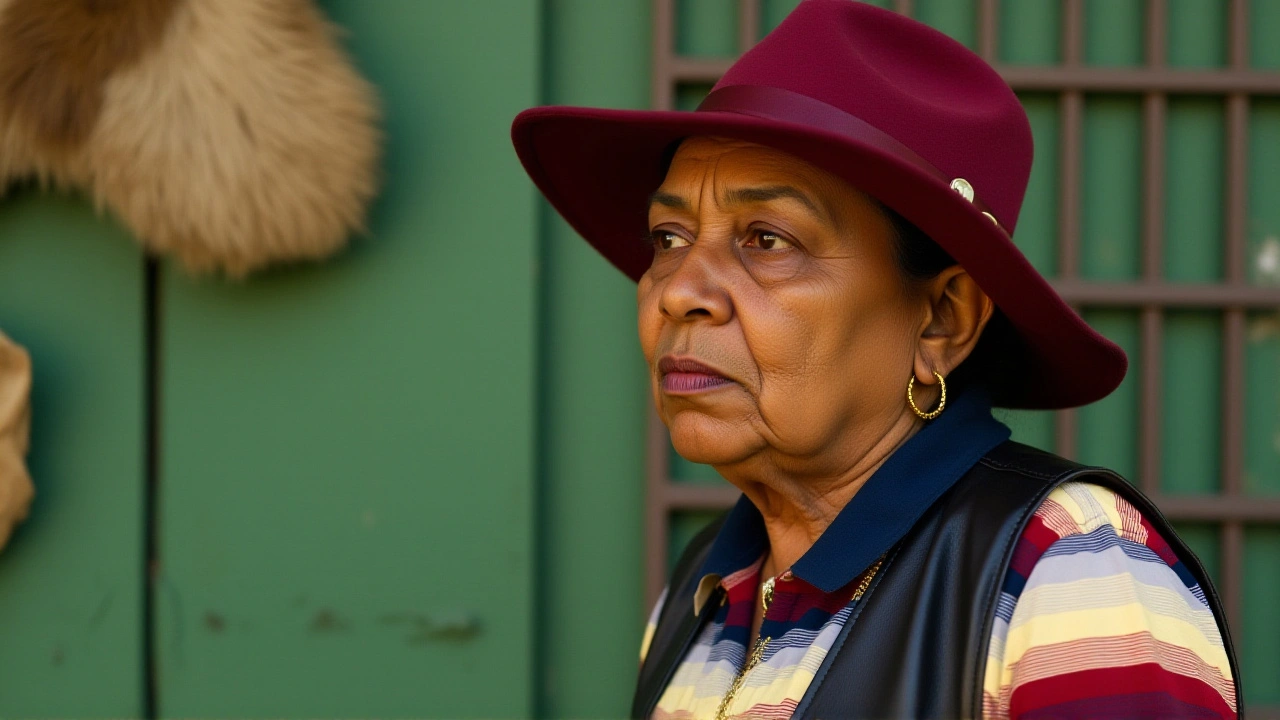
Meme Ditshego’s Final Role in Netflix’s ‘How to Ruin Love: The Lobola’ Drops Dec. 19
Veteran actress Meme Ditshego’s final performance as Mbazo in Netflix’s 'How to Ruin Love: The Lobola' premieres December 19, 2025, honoring her legacy amid fiery lobola negotiations and family drama.