IPOB – News, Updates and In‑Depth Coverage
When you dive into IPOB, the Indigenous People of Biafra, a political organization that advocates for the self‑determination of the Igbo‑majority regions in southeastern Nigeria. Also known as Indigenous People of Biafra, it has become a focal point for discussions about regional autonomy, security policies, and human‑rights advocacy. The movement’s activities intersect with broader Biafra, the historic region that declared independence in 1967 and sparked a civil war lasting three years and the national context of Nigeria, Africa’s most populous country, whose federal structure and security apparatus shape how secessionist claims are handled. Understanding IPOB means looking at how these entities influence each other, how security forces respond, and what the international community says about self‑determination.
Key Themes Around IPOB
First, the push for self‑determination brings up the classic secessionist movement model: a group seeks political independence, the state asserts sovereignty, and external actors weigh in on legitimacy. In the case of IPOB, the movement’s demand for a separate Biafran state has sparked debates about constitutional reform, minority rights, and the legacy of past conflicts. Second, security dynamics are critical. Nigerian security agencies have launched operations aimed at curbing what they label as insurgent activity, while human‑rights groups accuse the forces of excessive force and unlawful arrests. This tug‑of‑war creates a feedback loop where state action fuels further dissent, which then justifies more stringent security measures—an example of a semantic triple: “IPOB activity triggers security responses, which in turn intensifies IPOB activism.”
Third, the media landscape matters. Local journalists, community broadcasters, and online platforms serve as the primary sources for IPOB‑related news, often navigating censorship pressures. The coverage you’ll find on Zululand Daily News mirrors this reality: we prioritize factual reporting, give space to multiple voices, and connect the dots between grassroots protests and policy decisions in Abuja. Fourth, international diplomacy adds another layer. Nations and regional bodies monitor the situation through the lenses of stability, human rights, and legal precedent. Their statements can legitimize or delegitimize the movement, influencing both public perception and on‑the‑ground tactics.
Finally, economic implications cannot be ignored. The southeastern region of Nigeria, rich in oil and agricultural potential, faces disruptions when protests or security ops affect production. These economic ripples affect investors, local livelihoods, and the broader Nigerian economy, reinforcing the link: “IPOB actions impact regional economies, which then shape political negotiations.” By tracking these intertwined threads—political, security, media, diplomatic, and economic—you get a full picture of why IPOB remains a hot topic.
Below, you’ll find a curated selection of articles that unpack each of these angles. From deep dives into the legal arguments around self‑determination to on‑the‑ground reports of community reactions, the collection offers both context and the latest developments. Whether you’re following the latest statements from the Nigerian government, seeking insight into human‑rights reports, or curious about how the Biafran diaspora is shaping the conversation, the stories ahead give you the tools to stay informed and think critically about the unfolding narrative.
-
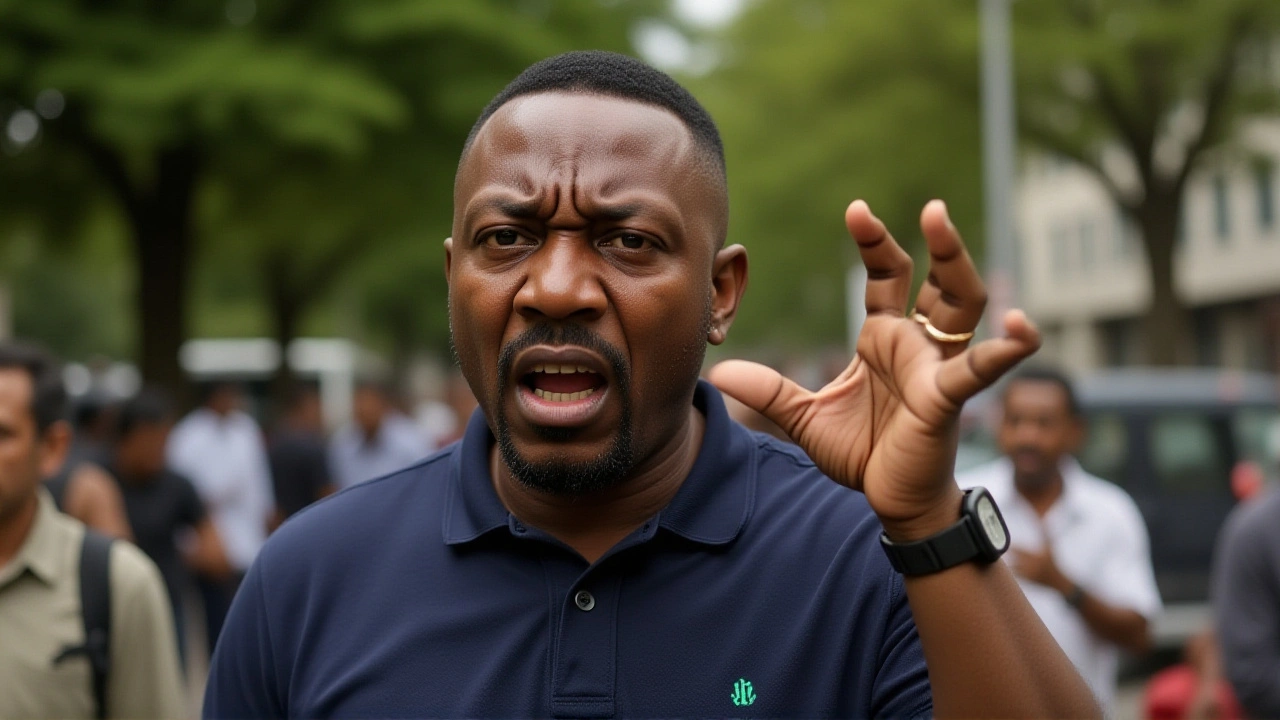
Sowore Leads Abuja 'Free Nnamdi Kanu' Protest; Police Fire
Omoyele Sowore led thousands in Abuja on Oct 20‑21, 2025, demanding Nnamdi Kanu's release; police responded with tear gas and gunfire, sparking nationwide outcry.