Cultural Practices in Zululand: Everyday Traditions and Community Life
Cultural practices do more than just remind us of the past—they’re woven into daily life across Zululand. From family gatherings to public celebrations, you’ll spot heritage in action everywhere. Local customs shape how folks greet each other, what’s served at meals, and even how communities come together for big moments.
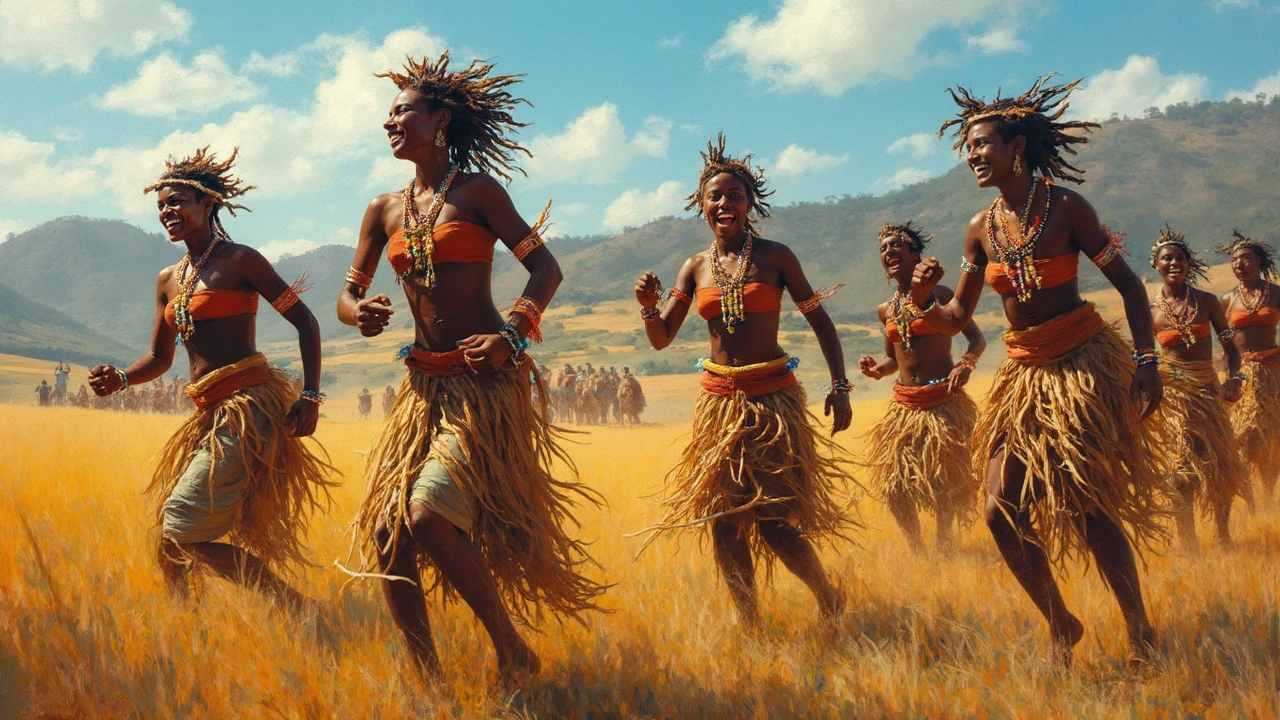
Take weddings, for example. Traditional Zulu ceremonies aren’t just formalities, but full-on community events. The bride’s family often brings gifts called lobola, and the celebrations last all night with dance, music, and song. This isn’t for show—it’s a way for families to connect, for elders to guide, and for stories to get handed down the generations. Newcomers to Zululand are often surprised at how these customs bring everyone, young and old, together.
It’s not just about big events, either. Daily routines—like greetings—carry a lot of meaning in Zululand. Even a simple handshake has its own unique style, called the ‘Zulu handshake,’ showing friendship and respect. Maxhosa patterns on clothing, the sound of drums at sunset, women weaving baskets by the roadside—these sights and sounds are all part of everyday culture, not just for tourists but for locals living their lives.
Cultural practices pop up in local schools, too. Many children learn Indigenous dances and songs as part of their curriculum. Weekend community gatherings, or imbizos, still happen in rural villages. These traditions make sure the next generation gets more than just academic knowledge—they get a sense of pride in where they come from. At the same time, new trends blend in: you’ll sometimes see local attire mixed with modern fashion, reflecting how cultures grow and change.
Cultural festivals in Zululand are some of the busiest times on the local calendar. The annual Reed Dance, for example, sees thousands of young women gather in traditional outfits to celebrate purity and womanhood. It’s not just for show—the festival builds community ties and keeps old rituals alive. Local crafts and foods sold at these events support small businesses and keep time-honored skills profitable.
But not all practices are without controversy. Elders and young people sometimes clash over which customs matter most, especially as social media and modern urban life creep in. Still, many Zululand residents see these customs as something to be proud of. It’s common to see teenagers posting about their traditional roots alongside football scores and music playlists. That blend of old and new is just part of daily life.
In Zululand, culture isn’t locked away in museums. It’s there in every handshake, marketplace, song, and family gathering—alive and ever-evolving. Whether you’re visiting for the first time or grew up here, these practices make Zululand stand out as a region where heritage is both respected and lived, every single day.
-
Zulu Calendar: Understanding the Rhythms of Time
The Zulu calendar is a fascinating lunar-based system with 13 months, each connecting deeply to nature's rhythms and cultural traditions. It kicks off with the July full moon and is peppered with vibrant festivals like the Reed Dance and First Fruits Ceremony. Each month is named after typical seasonal activities, seamlessly blending practical timekeeping with spiritual practices. It's a tribute to living in harmony with the earth's cycles.