Ancestral Worship: What It Really Means in Zululand
Ancestral worship isn’t just some old tradition tucked away in history books. It forms a real part of daily life for many families in Zululand. When people talk about respecting their ancestors, they’re not just thinking about the past. It’s about living in the present with a sense that those who came before still matter.
In Zululand, you’ll hear about families gathering at home to speak directly to their ancestors before big events—be it marriages, births, business launches, or even community meetings. It’s personal. The belief is that ancestors act as go-betweens with higher powers. If you want good fortune or guidance, you’ll probably check in with your ancestors first. There’s no need for fancy temples or special tools—often, a corner of the house, a simple meal, or a quiet word is enough.
But here’s what surprises a lot of outsiders: ancestral worship isn’t about fear or superstition. It’s about respect. Families believe this ties them together. They seek wisdom from elders who have passed, asking for protection or help with challenges. Some say it’s like keeping in touch with beloved grandparents, even after they’ve gone. The result? You get a stronger sense of where you come from—and what’s expected of you.
This isn’t a one-size-fits-all thing. Every family has its way of remembering ancestors. Some burn snuff, others prepare traditional food, while some choose quiet prayer. There’s no central authority dictating ceremonies; it’s shaped by family stories and what feels right. Kids grow up hearing tales about great-grandparents’ courage, so they don’t see ancestral worship as a chore. It feels familiar, like Sunday lunch or big family gatherings.
Locally, traditions around ancestors shape everything—festivals, how land is passed down, even how people settle disputes. If there’s a feud, elders might suggest a ‘homecoming’ ceremony to make peace with the ancestors before betters can be reached. This social glue is tough to replace. It keeps communities tight-knit, even as modern life changes everything else.
Think ancestral worship feels outdated? You’d be surprised by how many younger people in Zululand are bringing it into their everyday lives. Some pair it with church or mosque visits. Others post tributes online for late relatives, blending old customs with Instagram and WhatsApp. What doesn’t change is the core idea: to forget your beginnings is to lose your way.
If you’re new to Zululand or just want to understand your neighbors, try asking about ancestors. Most folks will be happy to share, and you’ll find there’s a lot more depth here than stereotypes suggest. It’s not about rituals for the sake of rituals. It’s about remembering you’re part of something bigger—and maybe, just maybe, finding some comfort in that.
-
Zulu Calendar: Understanding the Rhythms of Time
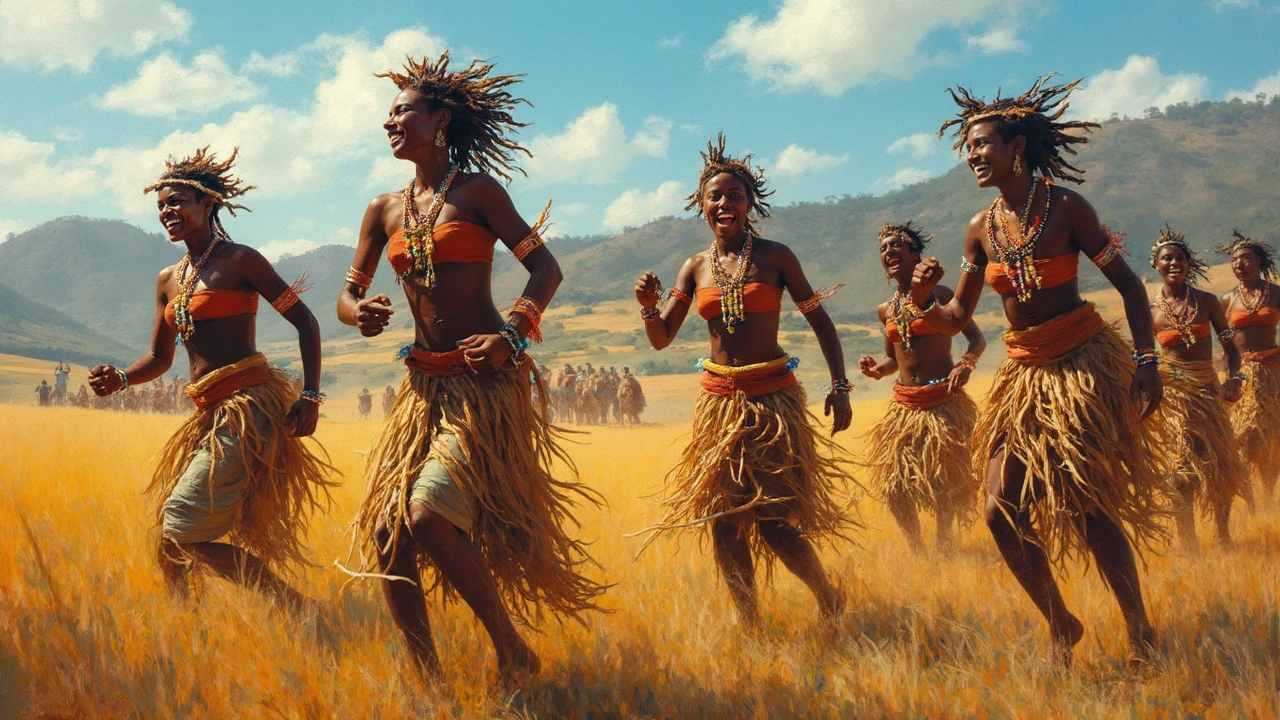
The Zulu calendar is a fascinating lunar-based system with 13 months, each connecting deeply to nature's rhythms and cultural traditions. It kicks off with the July full moon and is peppered with vibrant festivals like the Reed Dance and First Fruits Ceremony. Each month is named after typical seasonal activities, seamlessly blending practical timekeeping with spiritual practices. It's a tribute to living in harmony with the earth's cycles.