Triskaidekaphobia: What’s Up With the Fear of 13?
Ever noticed how sports teams skip the number 13 on jerseys or buildings avoid a 13th floor? That’s triskaidekaphobia in action—the fear of the number 13. It pops up everywhere, from local football games in Zululand to headlines worldwide. But is there really anything unlucky about 13, or is this all just an old superstition gone mainstream?
First off, triskaidekaphobia isn’t just some random phobia. It’s been around for centuries. Hotels skip room 13. Stadium seats jump from 12 to 14. Athletes, coaches, and fans avoid the number because they think it messes with luck. In South African sports, for instance, many teams hesitate to assign the number 13 jersey. Do you remember hearing about a team blaming a loss on the unlucky number? It happens more often than you’d think. Even commentators work it into their pre-match banter.
So why does this matter in Zululand? Well, superstitions play a big role in local sports, politics, and even business decisions. Local businesses sometimes avoid scheduling big launches or deals on the 13th day of the month. Some schools won’t hold exams on the 13th either, just in case. Community leaders often reference this superstition when planning events. It’s so entrenched that people take it seriously, even if there’s no real evidence behind it.
Media, especially outlets like Zululand Daily News, regularly cover stories touch on superstitions and unusual beliefs—because these ideas shape community life. Think about the recent cricket and soccer matches we’ve reported on where a supposed 'bad omen' was blamed for a tough loss. Whether you’re an athlete, a fan, or just someone reading the headlines, these beliefs hook people in and become part of the story itself.
But there’s more to triskaidekaphobia than just sports headlines or skipped jersey numbers. Psychologists suggest it’s rooted in how people look for patterns and try to control uncertainty. If your favorite team loses on the 13th, it’s easier to blame the number than bad tactics. This mind trick works in politics too; campaign managers often steer clear of unlucky dates for major rallies or announcements.
Curious if this affects other parts of the world? No country is immune. From Italy and France to the US and, yes, right here in Zululand—people get jumpy around 13. Some see it as just a quirky cultural blip, but for others, it’s serious business. Sports commentators often poke fun at it, but deep down, nobody really wants to tempt fate.
If you catch yourself hesitating before doing something on the 13th, remember: It’s not just you. This superstition is hardwired into day-to-day life, shaping everything from news coverage to sports scores and beyond in Zululand and across the world. Funny how a simple number can hold so much power, right?
-
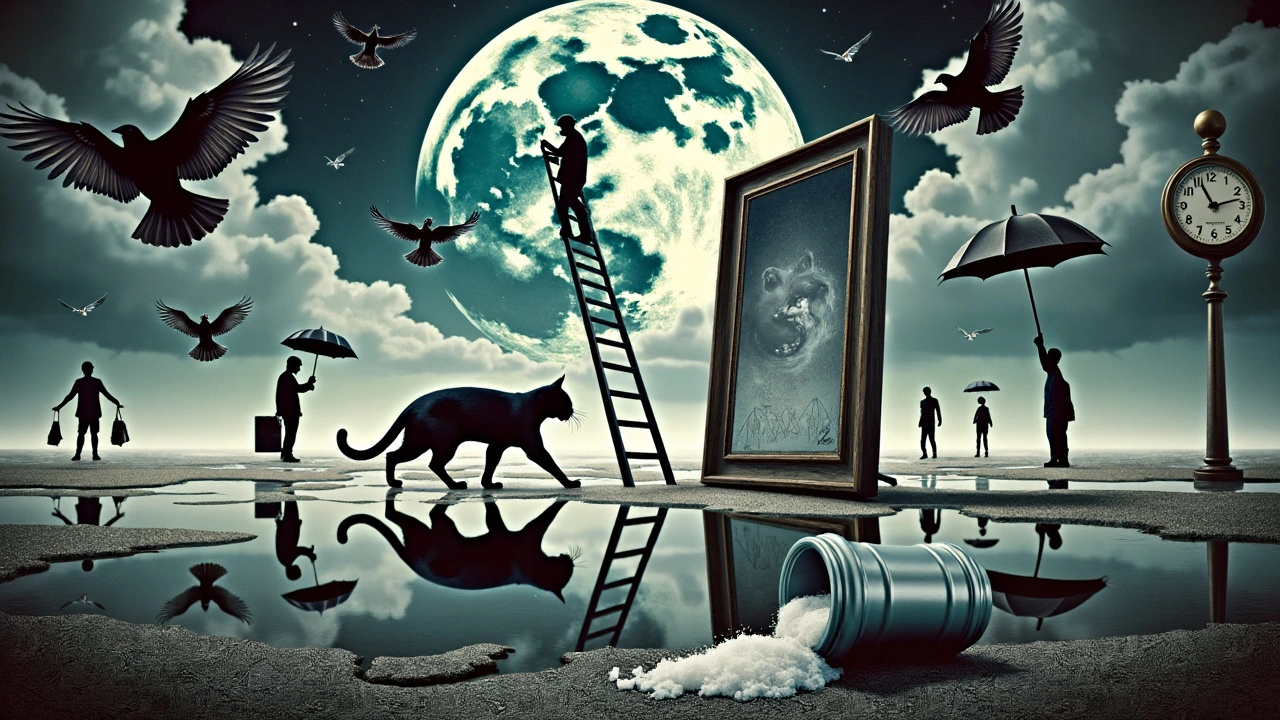
The Fascinating Superstitions of Friday the 13th: Are You Superstitious or Just 'Stitious'?
Friday the 13th has long been regarded as an unlucky day, tied to superstitions and eerie beliefs. Despite many going about their lives normally, the day’s historical background and cultural impact spark curiosity and conversation. This article delves into the origins and myths, exploring why this day continues to captivate many.