Thursday Protests: What’s Really Happening in Zululand?
Protests popping up on Thursdays are drawing attention across Zululand and beyond. You probably hear about demonstrations and wonder what’s sparking them, how they affect daily life, and what locals are doing about it. This page sheds light on the reasons, stories, and ongoing impact of these Thursday protests, so you’re never left guessing.
Most Thursday protests in Zululand aren’t random. They often tie back to real frustrations—like municipal service failures, job concerns, or new policies leaving people behind. For instance, imagine waking up to water shutoffs or finding out another local school is closing—naturally, folks band together to make some noise. These rallies are a chance for communities to demand answers and action right from local government or service providers who aren’t listening.
You might think protests only affect the people directly involved, but the reach is wider. Businesses sometimes close early, public transport gets disrupted, and schools adjust schedules. Last Thursday, commuters in Empangeni faced hour-long traffic snarls because roads were blocked by protestors urging for better electricity access. It’s not just a headline—it’s real life for the people living here.
Are these protests peaceful or not? It totally depends. Some are well-organized, with community leaders ensuring things stay calm and focused. Others get tense, especially when police or private security step in. There’ve been cases where frustration bubbles over, leading to damaged property or arrests. Most protesters try to keep things peaceful, knowing that clear communication helps their cause more than chaos.
The stories from these Thursday protests are as varied as the people taking part. Some weeks, it’s pensioners marching for better clinics. Other times, young students take to the streets demanding safer schools or more job opportunities in their neighborhoods. One thing stays the same: most folks aren’t protesting for the sake of it. There’s a strong sense that unless they raise their voices, nothing changes.
Media coverage of Thursday protests is a double-edged sword. Local outlets like Zululand Daily News strive to offer the real picture—talking to people on the ground and cutting through the noise. But sometimes bigger platforms miss the nuance, making every protest sound the same. That’s why stories direct from affected communities are vital for anyone wanting truthful updates.
Why Thursdays specifically? Honestly, there’s no magic—sometimes it’s just strategy. Organizers might pick Thursday to get attention before the weekend, or because it’s the best day to disrupt meetings at municipal offices. Over time, it’s become a pattern that people recognize: Thursday means something might happen, so stay alert.
If you want to stay ahead, it’s smart to follow reliable local sources. Check updates on law enforcement advisories or see what community leaders are saying before heading out. That way, you make plans with the facts, not just rumors.
-
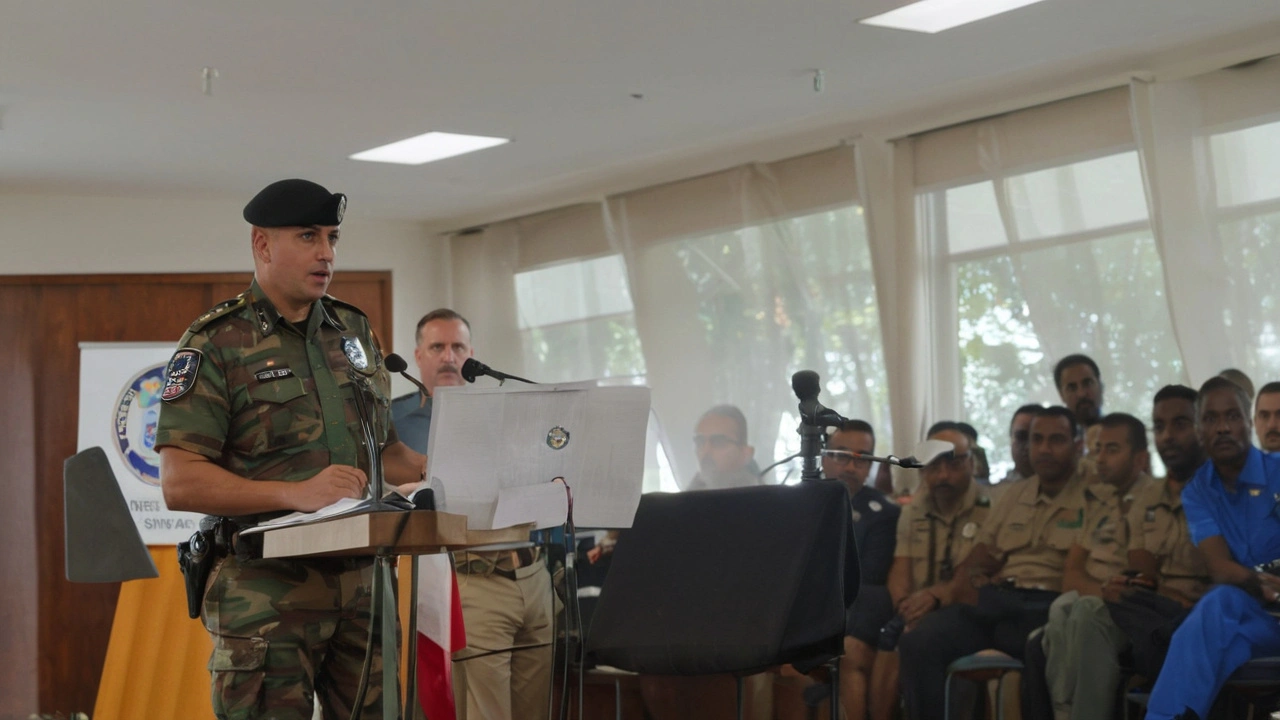
Police Chief Unveils Detailed Safety Plan for Upcoming Thursday Protests
The police chief has presented a detailed plan to ensure public safety during Thursday's planned protests. The strategy includes additional police presence in key areas, advanced surveillance, and communication with protest organizers. Emphasis is placed on maintaining peace and protecting both participants and bystanders, with authorities urging vigilance from the public.