T20I Captaincy: What Makes a Good Leader in Cricket’s Fastest Format?
T20I captaincy is no walk in the park. When every over matters and games turn in a flash, the person wearing the captain’s armband shapes almost every moment on the field. Whether you’re watching WI vs PAK’s tight finishes or remembering famous World Cup knockouts, one thing stands out—strong, clear leadership often tips the balance between victory and defeat.
Unlike longer formats, T20s never allow much breathing room. Captains need to read the pitch, set the right field, and keep players focused. Picture Jason Holder making field placements on a slow pitch in a nail-biting finish—it’s these tactical calls that set great T20I skippers apart. They have to think several moves ahead; a risky bowling change or a surprise fielding switch can change everything.
Most people overlook how much pressure lands on the captain’s shoulders, especially when a bad over can doom the game. One misjudged bowling swap or a missed DRS call stands out in a big way. Unlike in Tests or ODIs, there’s just no time to recover. Captains need laser-sharp focus and must use gut instinct as much as stats. It’s a blend of quick thinking and steady nerves—think about a skipper tossing the ball to an untested bowler because the match-up just feels right. Sometimes those gambles pay off big.
Many T20 captains also carry the extra weight of being top performers. They may be star batters or bowlers for their side—so they’re not just thinking about team tactics but their own next delivery or shot selection. One moment they’re calming a rookie, and the next, they’re up at the crease against a fired-up fast bowler with the game on the line.
Fans love to debate captaincy decisions after close games. Did the skipper set deep fielders at the right time? Did they bring spin too late or trust the death overs to the right seamer? These chats are part of the drama. Leaders like Rohit Sharma, Jos Buttler, or Babar Azam often get the spotlight, but even those not in huge cricketing nations face the same heat.
Next time you’re caught up in a thrilling finish during the T20 World Cup or a local series, pay close attention to the captain’s body language, field changes, and bowling rotations. There’s always a science to every move, but sometimes, it’s just about backing a gut feeling under pressure. T20I captaincy isn’t just a title—it’s a true test of nerve, focus, and tactical nous in cricket’s high-speed theatre.
-
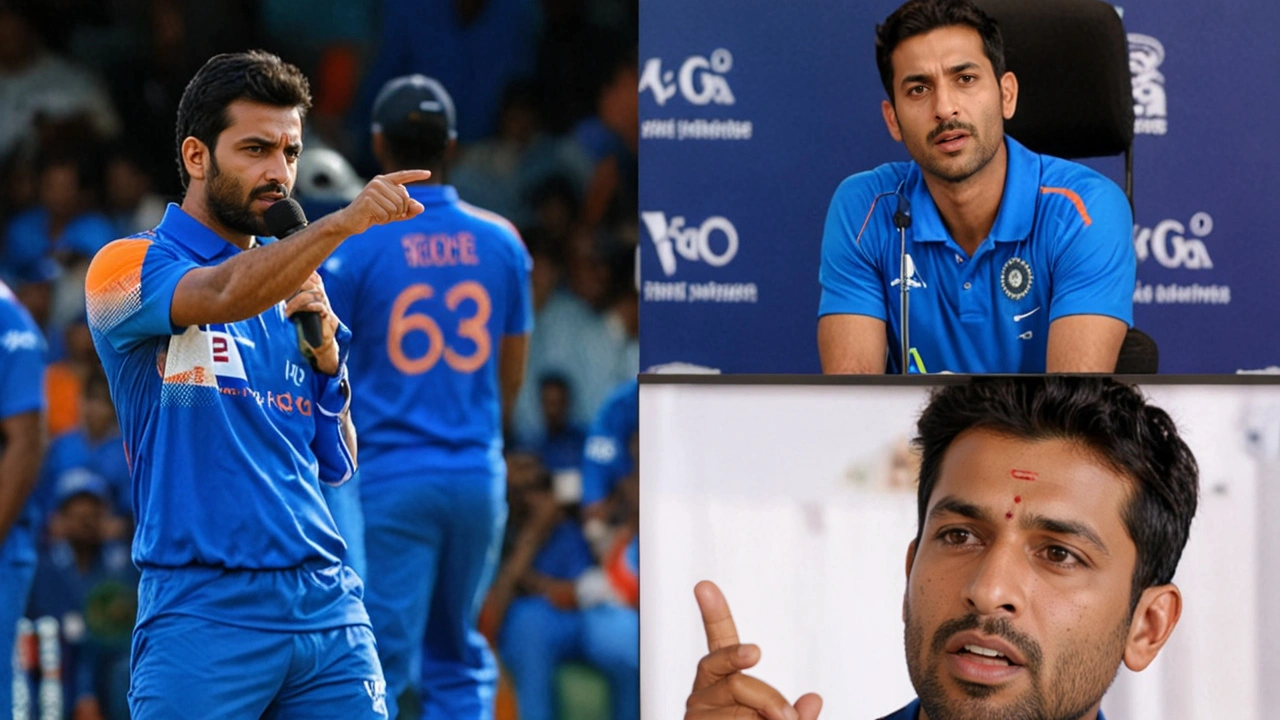
Suryakumar Yadav Appointed T20I Captain: Gambhir and Agarkar's Move Under Scrutiny
New India head coach Gautam Gambhir and chairman of selectors Ajit Agarkar's decision to appoint Suryakumar Yadav as the T20I captain has sparked debates. Former cricketer Mohammad Kaif questions why Hardik Pandya, with his extensive leadership experience, was overlooked. This decision seems part of a long-term strategy with an eye on the 2026 T20 World Cup.