Superstitions in Zululand: How Age-Old Beliefs Shape Everyday Life
Ever wondered why some folks in Zululand avoid certain places at night or steer clear of whistling indoors? It’s not just habit. Superstitions run deep in local culture and can show up in the most unexpected ways—from family traditions to big community events. These beliefs often come from stories told by elders, old customs, and moments that everyone just knows to avoid, even if they can’t quite explain why.
In Zululand, superstitions aren’t just about luck and bad omens. They’re woven into the routines of daily life. People may greet each other in certain ways or use specific greetings during different moon phases. If you hear talk of the “tokoloshe,” a mischievous spirit blamed for odd happenings, or stories about ancestors guiding weather patterns and fortunes, know that these aren’t just ghost tales—they influence real choices every day.
Big events, like weddings and funerals, have loads of customs that are rooted in protecting guests against bad luck or attracting good vibes. For instance, using certain colors, burning specific plants, and holding rituals all aim to guard the community. Farmers watch the sky for animal movements that, according to tradition, predict rain or drought—sometimes planning their whole season based on a superstition rather than scientific forecasts. Even sports fans in the region cling to their own quirky rituals for luck, just like anywhere else in the world.
Kids learn these superstitions from early on. From warnings about playing near rivers at night to not pointing at rainbows (which is said to bring misfortune), these lessons stick. Schools might not teach them straight from the textbook, but you’ll probably hear them handed down in playground conversations, family meetings, or around the fire after dinner.
Not everyone buys into every superstition—there’s plenty of debate, especially among younger people who balance tradition and modern thinking. But ask around, and you’ll hear stories of times when ignoring a ‘silly’ superstition led to trouble (or so it seemed). Whether it’s an older neighbor or a local athlete sticking to a snack before games, these habits aren’t random; they’re a way to feel in control in a world full of surprises.
For visitors or newcomers, it helps to be aware. Respect for local customs goes a long way. If someone tells you to avoid something because it’s ‘not done,’ give it a shot. You might not believe every story, but you’ll quickly see how much superstitions shape life in Zululand—guiding everything from family harmony to farming to festive celebrations. And who knows, you might just pick up a lucky habit or two yourself.
-
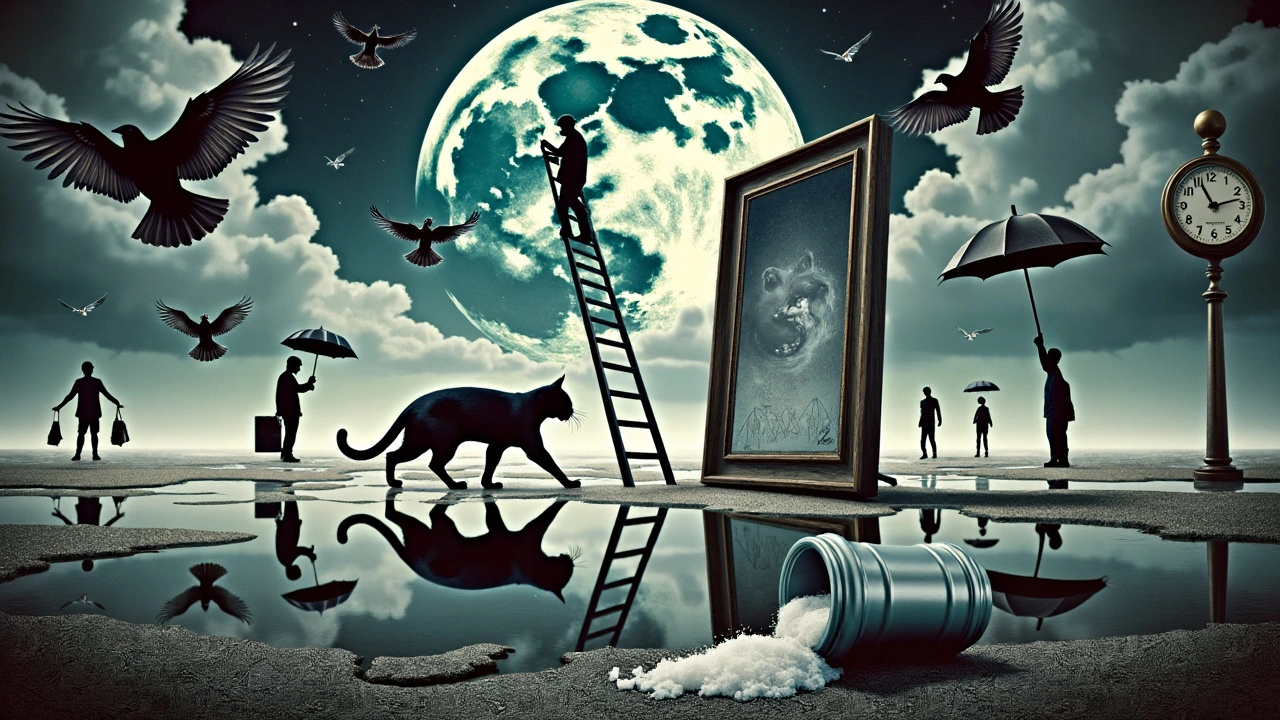
The Fascinating Superstitions of Friday the 13th: Are You Superstitious or Just 'Stitious'?
Friday the 13th has long been regarded as an unlucky day, tied to superstitions and eerie beliefs. Despite many going about their lives normally, the day’s historical background and cultural impact spark curiosity and conversation. This article delves into the origins and myths, exploring why this day continues to captivate many.