Sea Rescue in Zululand: Real News, Safety Tips, and Local Updates
If you live near the coast or just like getting out on the water, knowing how sea rescue works in Zululand can save lives—including your own. When emergencies happen at sea or along the shore, local sea rescue teams are usually the first on the scene. They’re made up of trained volunteers and professionals, working with the community to help anyone in danger in the water. It’s not just about dramatic rescues; it’s about preventing accidents, sharing real advice for locals, and keeping everyone aware.
What does sea rescue mean in Zululand? It’s about fast response to boat capsizes, swimmers in trouble, or bad weather rolling in. The teams use high-speed rescue boats, jet skis, and even drones now. Training is tough and ongoing—rescuers practice everything from pulling people from rough surf to helping stranded fishermen miles out. They stay ready, even on quiet days, because on the coast things change fast. You might not think you’ll ever need help, but the stats say otherwise—especially around holidays or when big storms hit.
Here’s something you don’t always hear: sometimes small mistakes cause the biggest emergencies. Think of holiday-makers walking on sandbanks and getting cut off by the rising tide, or fishermen heading out without checking the weather. That’s why local sea rescue teams constantly push out reminders about water safety—like wearing lifejackets, checking gear, letting someone know your plans, and not swimming alone. Don’t shrug off these tips; they literally save lives every summer.
Ever seen those giant warning signs at the beach about rip currents? They’re not just for tourists. Locals get caught too. Rescuers say it’s often those who swim outside of designated safe zones that run into problems. Lifeguards and sea rescue units work closely, coordinating by radio to cover busy stretches of Zululand’s coastline. They remind everyone: if you’re in trouble, wave an arm and float—don’t struggle, and trust that help is coming. Make this habit part of every family beach day.
Want to support sea rescue? You don’t need to join the crew to make a difference. Simple things help: learn basic first aid, teach kids about water safety, follow the signs at the beach, and donate to your local crew if you can. Sea rescue teams rely on community support, from fundraising events to volunteers who answer calls at all hours. Also, reporting what you see—like someone drifting too far out—can save precious minutes in an emergency. Always dial the right local emergency numbers if you spot trouble.
You’ll find the latest sea rescue news, updates on successful saves, and community water safety programs right here on Zululand Daily News. If you love the water or live near it, staying in the loop isn’t just useful—it’s responsible. Our coverage brings you real stories, urgent warnings, and tips straight from the crews who’ve seen it all. Next time you hit the coastline, take their advice with you. It could make all the difference.
-
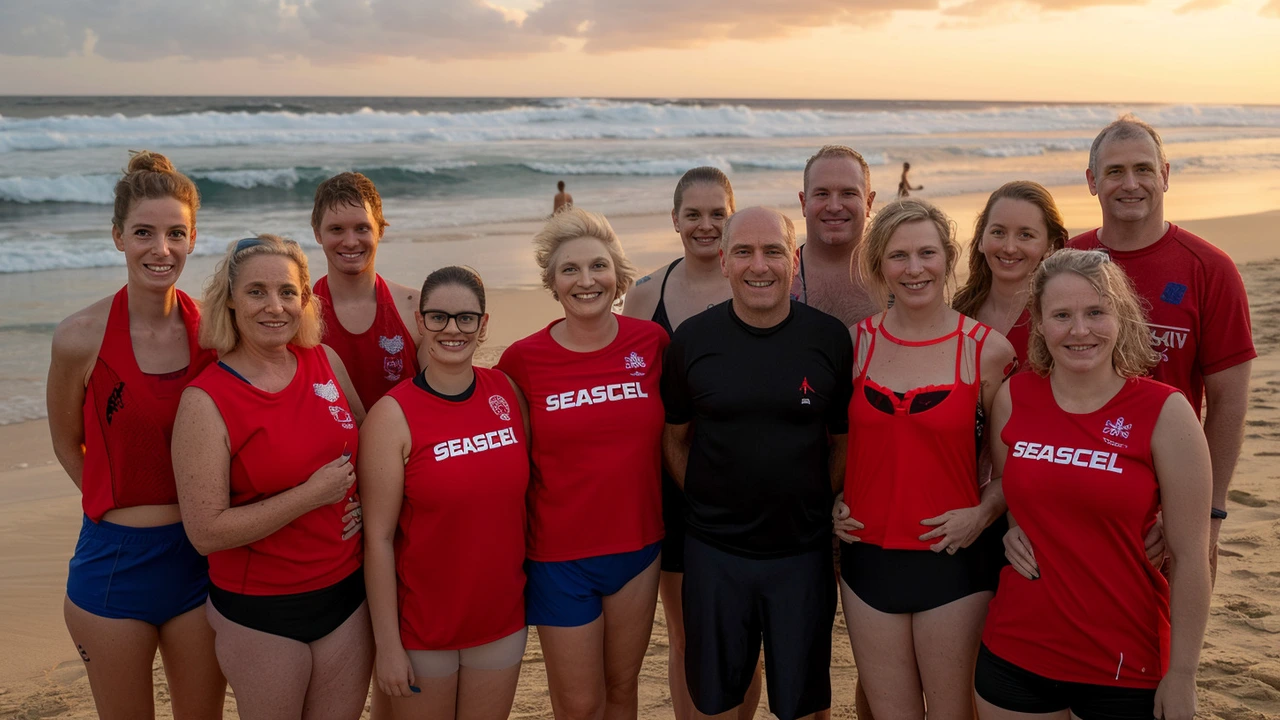
Support NSRI with a Winter Solstice Plunge and Raise Vital Funds
Join the NSRI this winter solstice in a plunge to raise vital funds for their operations. Whether you dive into the sea, a tidal pool, or take an ice bucket challenge, your participation helps the NSRI continue their life-saving work. Last year, heroes like Jané Botha and a team who swam the Robben Island Crossing raised significant amounts. Get involved to support water safety, rescue operations, and survival swimming programs.