Rally Shooting: Latest News, Safety Concerns, and Community Info
Rally shootings make headlines for all the wrong reasons. They impact everyone—whether you’re attending a demonstration, living nearby, or just checking the news. People want to know what happened, why it happened, and, most importantly, how to stay safe in the future. That’s why we’re breaking down everything you should know about rally shooting incidents: what goes on, what usually causes them, and how communities are reacting.
When a shooting breaks out during a public rally, chaos often follows. Street protests and large gatherings have become more frequent in South Africa, including Zululand. Most times, folks come together for a cause—politics, community rights, or sports—or sometimes just to have their voices heard. But things can take a dark turn if tensions boil over or unauthorized firearms show up. These incidents aren’t just random; they’re linked to underlying issues like political pressure, gang activities, or even misunderstandings between crowd and law enforcement.
One of the big questions is always: what triggers violence at these events? Sometimes it’s a planned attack. Other times, it’s a heated argument gone too far. Police and event marshals often prepare for the worst, but even tight security can’t guarantee nothing will slip through. After a shooting, investigations ramp up fast. Police will question witnesses, hunt for camera footage, and try to control any rumors that flare up on social media. Quick, clear updates are crucial to stop panic and prevent further violence.
For rally-goers, it’s all about being alert. Know your exits, stay away from trouble spots, and if you see signs of tension—like shouting matches or police in riot gear—move away before things get worse. Your safety matters more than catching every speech or chant. Bringing kids or elderly family? Best to keep them at home if you sense the mood could turn ugly.
Communities often pull together after these events. Victims and families need support, and local leaders call meetings to figure out what went wrong. In Zululand, neighborhood watch groups, NGOs, and faith leaders often pitch in—sometimes organizing healing events or starting discussions about non-violent solutions. Media coverage also plays a role, but it needs to stick to facts and not spread fear or fake news. Misinformation can hurt more than help; don’t share updates unless you trust the source.
What’s being done to make events safer? Municipalities and police services now double down on preparation for rallies, especially when tensions are expected. This could mean more crowd marshals, stricter bag checks, or designated safe zones. Plus, using community radio and WhatsApp groups to spread safety tips before a big event actually lowers risks.
Why does this matter to Zululand readers? Even if you’re not personally affected, these incidents shape local politics, law enforcement policies, and how comfortable you feel joining community events. Your voice matters to the conversation about safety and social change. If you have insights or want your story told, get in touch—real stories help everyone understand the bigger picture.
Stay tuned for the latest updates, detailed reports from eyewitnesses, and practical tips on how to protect yourself and your loved ones during rallies. Being aware and prepared is the first step to staying one step ahead of danger.
-
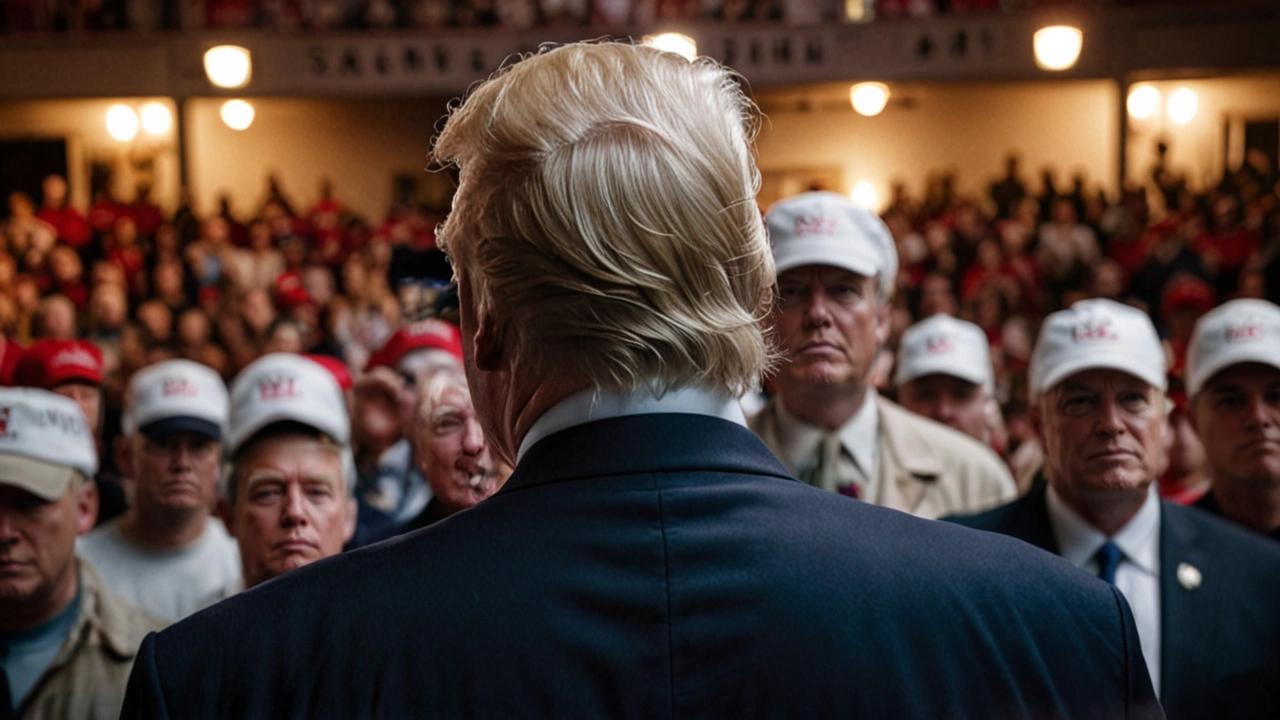
Global Leaders Unite Against Political Violence Following Shooting at Trump Rally
Global leaders have come together to denounce the recent shooting at a rally for former US President Donald Trump in Pennsylvania. Trump, who is running for the presidency again, was injured but is now in stable condition. Key leaders from around the world emphasized the necessity of rejecting violence in politics.