Political Tensions in South Africa: Real Stories, Real Impacts
It feels like South African politics never takes a break. You’ve probably noticed the headlines: coalition headaches, public fallouts, and threats flying between party leaders. Tensions are always simmering, sometimes boiling over, affecting not just politicians but everyday people too. If you’re trying to make sense of what’s really happening, you’re in the right place.
Just recently, the drama around Andrew Whitfield’s removal as Deputy Minister grabbed the nation’s attention. President Cyril Ramaphosa dropped Whitfield over an unauthorized overseas trip, and that set off a serious backlash. The Democratic Alliance (DA) called his axing political, demanding reinstatement, and even threatened President Ramaphosa with a 48-hour deadline to fire three ANC ministers and a deputy minister accused of corruption. With both parties tossing accusations and ultimatums, it’s anyone’s guess where this standoff is heading.
Coalition politics in South Africa are tricky. Parties like the ANC and DA need each other to keep the government stable, especially with hot issues like the national budget coming up. But these alliances come with a ton of disagreements, personality clashes, and public disputes. Every time one party makes a move, the other party fires back with demands or criticism. And for the public, this all gets mixed up with deeper frustrations—corruption allegations, unemployment, and a sense that politicians are more focused on fighting each other than fixing real problems.
Political tension spills over into public debates, protests, and even how services are delivered. For regular folks, these disputes can mean delays in important decisions—like handling economic crises, ensuring safety, or tackling social issues. It’s not just names in the headlines—it’s people’s daily lives that get caught up in the chaos.
There’s also the issue of public trust. Every new scandal, from surprise sackings to accusations of backroom deals, chips away at faith in leaders. And it’s not just in the capital—across Zululand, people talk about whether their voices matter when politicians seem wrapped up in fights and not in fixing roads or getting basic services up to speed.
But with all this high drama, there’s still power in paying attention. Readers in Zululand and across South Africa are demanding answers—why did Whitfield really get sacked? Will the DA’s threats change anything? As political storms keep brewing, people want fresh reporting, clear facts, and a space to share how it all affects them.
This space isn’t just for politicians and pundits. It’s for readers who want to cut through the noise, get straight answers, and see beyond the headlines. Follow along for practical updates, real-life examples, and spotlights on how political tension shapes everyday reality—right here in Zululand and beyond.
-
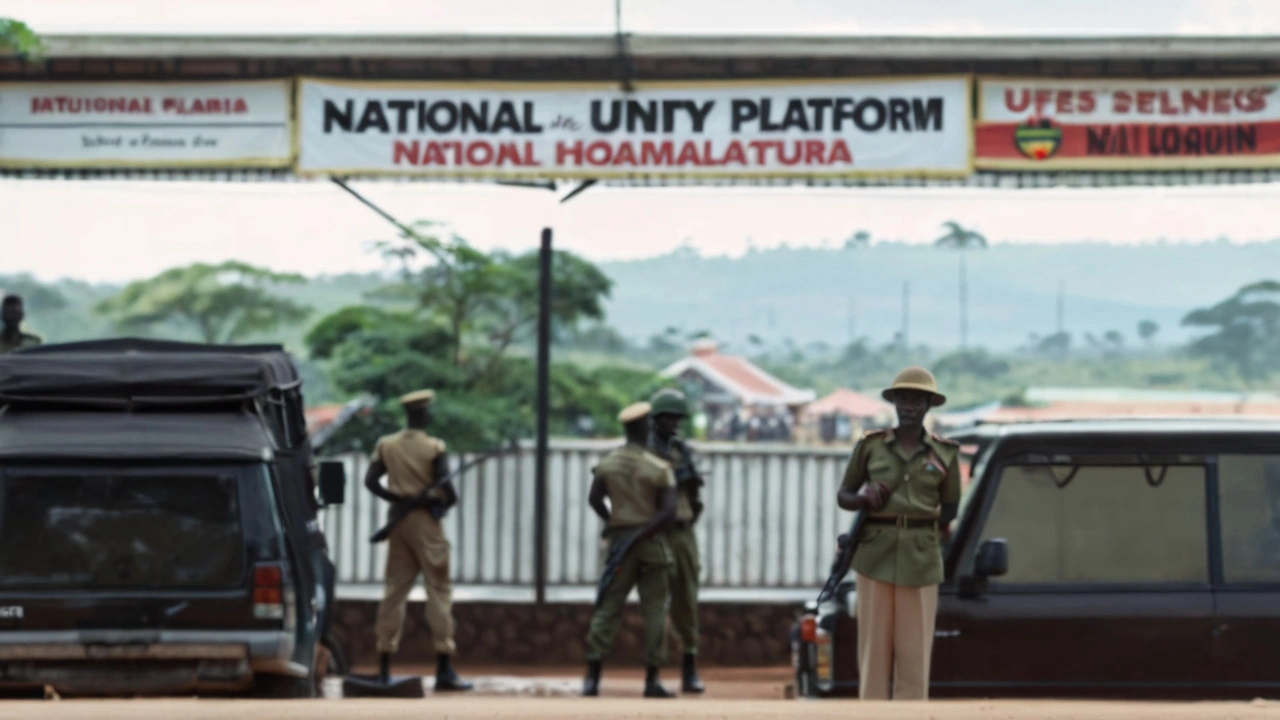
Ugandan Security Forces Block Opposition Headquarters Amid Rising Political Tensions
On July 22, 2024, Uganda's security forces sealed off the main opposition party's headquarters in Kampala, thwarting a planned protest. The police and soldiers surrounded the building, blocking all access points, and highlighting the increasing political tensions and restrictions faced by opposition groups in Uganda.