Playoff Collapse: Why Teams Fall Apart When It Matters Most
When a team has the best record, the star players, and the home crowd behind them, losing in the playoffs feels like a betrayal. This is the playoff collapse, a sudden, often inexplicable breakdown in performance during high-stakes postseason games. It’s not just bad luck—it’s a mix of pressure, strategy flaws, and mental fatigue that turns favorites into afterthoughts. You’ve seen it: a soccer team that dominated the regular season gets crushed in the first knockout round. A rugby side that won every home game suddenly can’t score a try. It happens in the EFL, URC, MLS, and beyond. The team dynamics, how players interact under stress, communicate under pressure, and handle leadership shifts change the moment the lights get brighter.
Why does this keep happening? It’s not always the coach’s tactics or a key injury. More often, it’s the playoff psychology, the mental burden of expectation that freezes decision-making and kills instinct. Players who were calm and sharp in September suddenly overthink every pass. Goalkeepers who saved penalties all season start hesitating. The championship pressure, the weight of fan hopes, media scrutiny, and contract implications becomes too heavy. Look at Burton Albion’s relegation odds—they’re not just about points. They’re about how teams respond when survival is on the line. Same with Everton’s VAR drama: one disallowed goal can unravel confidence. A single missed chance in the 89th minute can turn a season into a cautionary tale.
The sports failure, the pattern of underperformance when results matter most isn’t random. It’s predictable. Teams that rely on individual brilliance over collective structure crumble. Those that don’t prepare for the mental grind get outplayed by hungrier, less talented opponents. You’ll find examples here—from Nigeria’s World Cup qualifiers to Stormers’ URC campaigns—where playoff collapse didn’t come from lack of skill, but from lack of resilience. Some teams rise to the occasion. Most don’t. This collection shows you why.
Below, you’ll find real stories of teams that lost when they should’ve won, players who broke under pressure, and moments that changed careers. No fluff. Just facts. Just what happened—and why it keeps happening.
-
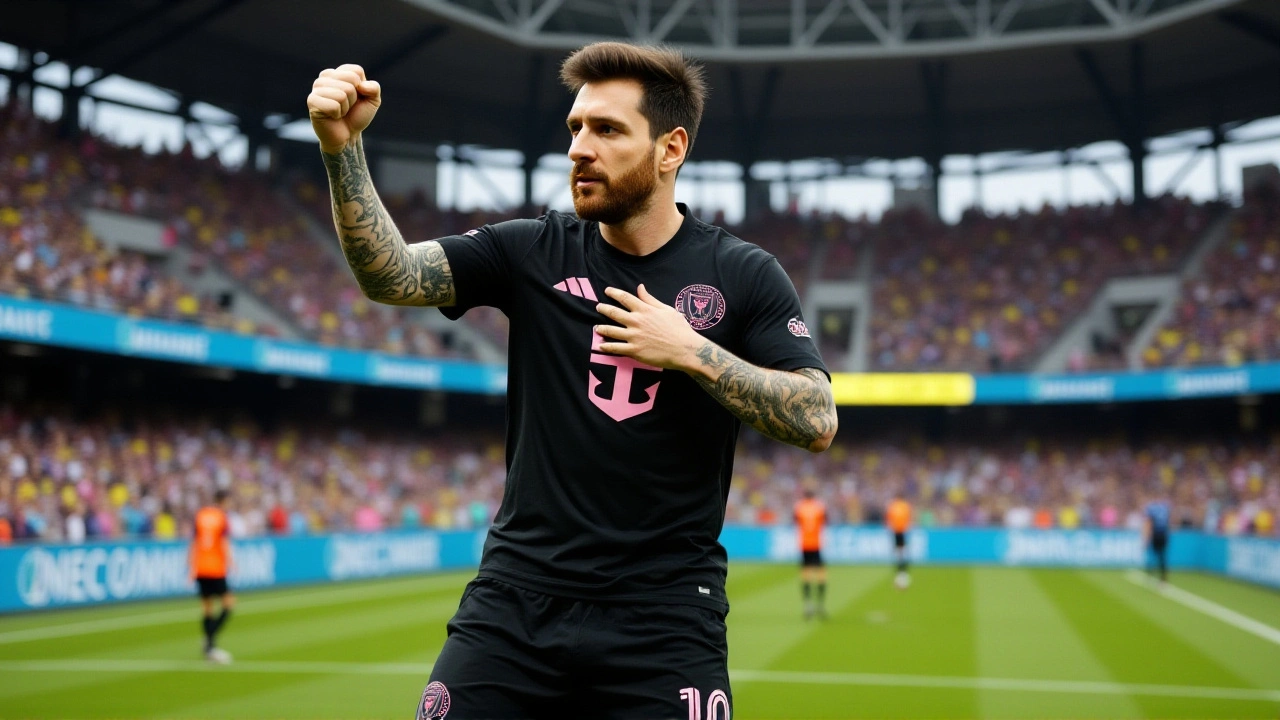
Nashville SC Stuns Inter Miami 2-1 as Messi's Late Goal Falls Short, Series Headed to Game 3
Nashville SC stunned Inter Miami 2-1 on November 1, 2025, as Messi's late goal couldn't save them from a playoff collapse mirroring 2024. Game 3 looms in Nashville, with the winner advancing to face Columbus Crew.