Namibia Independence: What It Means and Why It Still Matters
Namibia’s independence didn’t just change maps—it changed lives. For years, Namibia was one of the last African countries stuck under foreign rule, first by Germany, then South Africa. The fight for freedom stretched decades, with real people risking everything just to decide their own future. People in Zululand, and across Southern Africa, watched closely because Namibia’s struggle was personal for the whole region.
So, what sparked Namibia’s push for independence? Hard-working Namibians grew tired of being second-class in their own land. Everyday rules and laws favored outsiders. The government took land, controlled movement, and blocked basic rights. Locals started organizing in groups like SWAPO (South West Africa People’s Organization), demanding a country run by Namibians.
The road to freedom wasn’t smooth. Protests were cracked down with force. Activists were jailed. Some families went decades without seeing missing loved ones. Still, communities stuck together, spreading news through word-of-mouth and tiny pamphlets. Even droughts and economic hardship didn’t wear down the dream.
International help made a real difference. The United Nations debated sanctions and offered support. Neighbors like Angola and Zambia opened their borders for refugees and fighters, making Namibia’s fight part of Southern African history. The battle for equality in Namibia inspired and was inspired by movements in Zimbabwe, Mozambique, and, of course, South Africa itself.
When independence came on March 21, 1990, it was about more than just a flag and a national anthem. It meant kids could go to school together, neighbors could vote for their leaders without fear, and people could finally hope for a better future. Sam Nujoma became the first president, setting the stage for a government led by those who understood the struggles at home.
The benefits weren’t instant, and today, Namibia deals with challenges like job shortages and wealth gaps. But local people have more say in their land, and there’s been steady progress on things like education and healthcare. Namibia’s independence is proof that grit and hope really do build new countries.
If you’re from Zululand, this story probably hits close to home. The push for independence in Namibia was part of a bigger story that shaped the future of Southern Africa. It proves how communities, facing unfair odds, can make history. And that’s something people everywhere can relate to.
-
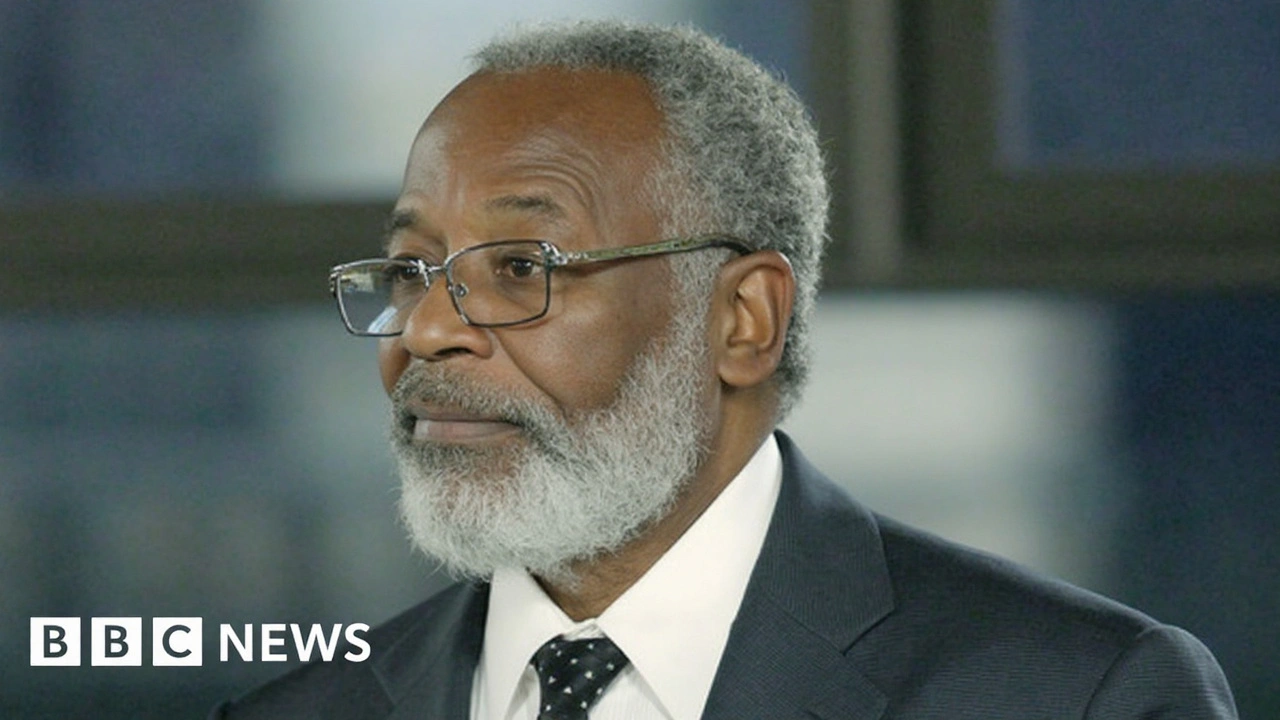
Sam Nujoma: Pioneering Leader of Namibia Passes Away at 95
Sam Nujoma, pivotal in Namibia's move from colonial rule to independence, has died at 95. As the first President, Nujoma navigated complex international politics, balancing both socialist and Western influences. His legacy includes national reconciliation and groundbreaking leadership, despite controversies over his views on AIDS and homosexuality.