Daylight Saving Time: What You Need to Know in Zululand
Daylight Saving Time (DST) always sparks debate. Do we really need to change our clocks twice a year? In Zululand, the buzz is real—even if South Africa doesn’t officially observe DST, the ripple effects matter. A lot of people travel for business or connect with family working abroad, so these changes can still mess with daily routines, online meetings, and even sleep.
Here’s the deal: DST was designed a century ago to help save energy by making better use of daylight. Places in Europe or North America push clocks forward an hour in spring, then flip them back in autumn. That means meetings with folks in London or New York might suddenly shift by an hour, often without any warning.
If you work with international partners or follow global sports, ignoring DST isn’t an option. Schedules change almost overnight. Suddenly, your regular Zoom call might be an hour earlier or later. This isn’t just annoying—it can throw your whole day off. People have missed flights, doctor appointments, and school meetings just because an app or website didn’t update time zones correctly.
You might be thinking, why does it matter if Zululand doesn’t use DST? Well, everything from bank transfers to soccer match broadcasts can still get shuffled. Local techies and IT folks usually brace themselves twice a year to help sort out scheduling errors and fix any local software bugs.
And when it comes to your own health, DST’s impact is real—even if just through your connections with countries that use it. Research from sleep clinics globally shows that even a single-hour time shift can make people groggy and lower productivity, especially in kids and the elderly. The trick is to prep early: if you know your calendar depends on overseas partners, confirm meeting times a week in advance (and double-check with everyone).
How can you adjust quickly if your work or social life is affected? Keep the evening routine gentle the day before a time change—dim your lights, avoid late-night TV, and set an alarm that eases you in gradually. Double-check your phone and computer settings since some devices don’t auto-update time zones or alarms without a manual nudge.
Want to keep up with DST confusion, tech tips, and local reactions? Zululand Daily News covers every angle—whether there’s a fresh tech workaround or news on international school schedules. We get why DST stories trend every year, and we’re here to make sure Zululand isn’t caught off guard when the world jumps ahead or falls back.
-
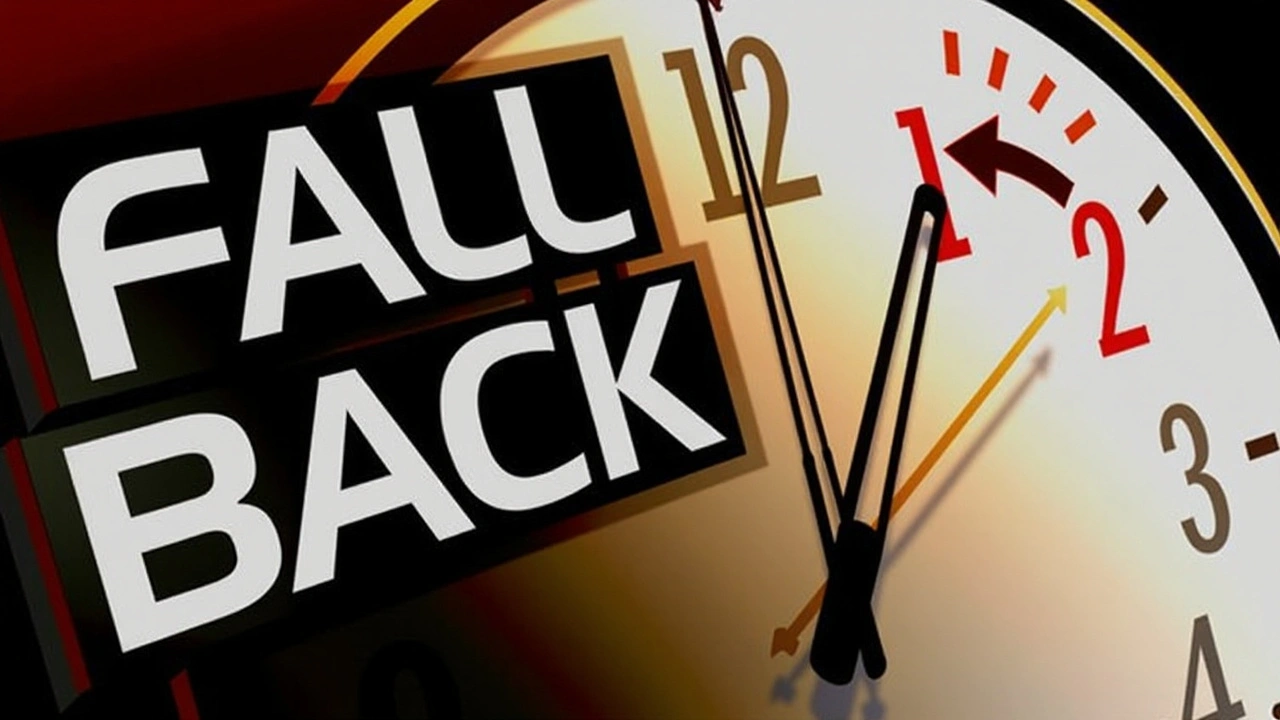
How to Safely Navigate the End of Daylight Saving Time
Adjusting to the end of Daylight Saving Time requires planning and attention. As clocks shift back an hour, it is crucial to be prepared to ensure a seamless transition. This time change affects various aspects of daily life, including driving safety, pedestrian visibility, and sleep patterns. Emphasizing the importance of awareness and planning, individuals can reduce risks and disruptions associated with the annual time change.