Cultural Phenomenon in Sports, News, and Everyday Life
Cultural phenomena aren’t just ancient traditions or global trends—they pop up in the everyday stories we follow and the games we watch. Wonder why a football match can make headlines well beyond the sports pages? Or why TV shows sometimes spark real-world conversations? These moments, big and small, shape the way we see ourselves and our communities in Zululand and all over the world.
Look at sports for a second. Last week’s West Indies vs Pakistan T20I, for instance, wasn’t just about cricket. It was a showdown that brought together fans from different backgrounds, stirred national pride, and became a trending topic on social media. Everybody talks about players, scores, and predictions, but the real pull is how sport becomes a unifier. It’s not just entertainment—it’s personal, emotional, and a bridge across differences.
Movies, TV, and viral events have their own place in the cultural landscape. Take the buzz around Netflix’s ‘Nonnas’ or the new season drop of ‘Solo Leveling’ anime—suddenly everyone’s got an opinion and wants in on the discussion, from TikTok to WhatsApp groups. These aren’t just shows. When enough people watch, copy, or reference them, they become social currency. What starts on the screen spills into conversations at work, school, and homes across Zululand.
Then there’s the root of local tradition—think about the Zulu calendar. It’s not just about counting months. Those festivals, like the Reed Dance and First Fruits Ceremony, pull in crowds and media attention. People dress differently, schools close, neighbors gather, and—just like that—the traditions become points of community pride and learning. Kids grow up seeing their culture celebrated, and visitors experience something real and unique to Zululand.
Even breaking news can become a cultural phenomenon when it captures attention and sparks debate. Stories like coalition tensions in South Africa, high-profile political sackings, or tragic events involving community leaders do more than just inform—they get people talking. The ripple effect can be seen in hashtags, street conversations, and heated debates in local taverns. And as people process these events together, they share more than just news—they reinforce what really matters to their community.
Culture isn’t just something to study in a textbook. It surrounds us—in sports matches, trending shows, traditional festivals, and even the daily news. Feel a shift in the neighborhood when everyone tunes into the same broadcast, debates the latest transfer, or celebrates a local holiday? That’s not random. It’s culture, constantly active, growing, and shaping the Zululand story every day.
-
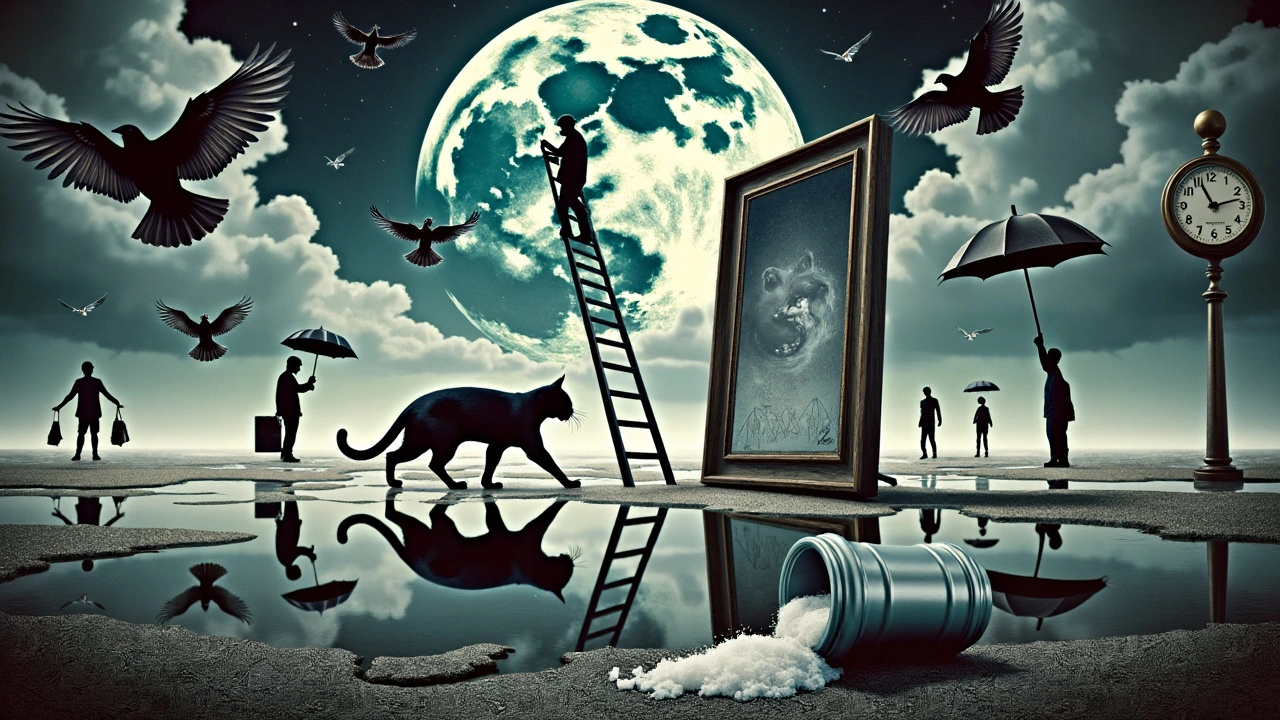
The Fascinating Superstitions of Friday the 13th: Are You Superstitious or Just 'Stitious'?
Friday the 13th has long been regarded as an unlucky day, tied to superstitions and eerie beliefs. Despite many going about their lives normally, the day’s historical background and cultural impact spark curiosity and conversation. This article delves into the origins and myths, exploring why this day continues to captivate many.