Conservation in Zululand: Real Stories and Local Impact
Conservation is more than just protecting animals or planting trees—it’s about real people, local challenges, and creative solutions. Here in Zululand, conservation touches everyone. Whether you live near the game reserves or in the heart of a small town, the balance between people and nature matters every day.
Wildlife protection often grabs the headlines, but the real action happens on the ground. Park rangers and volunteers work day and night to curb poaching. Rhino conservation projects rely on both high-tech tracking tools and trusted community scouts. Some reserves have even started using drones and dogs to keep an eye on wildlife. And when animals, like elephants or leopards, stray too close to people, response teams work quickly to avoid clashes—keeping both sides safe.
Fire management is another big topic in Zululand. Controlled burns are needed to revive the land, but wildfires can destroy farms and forests in a flash. Local farmers, municipalities, and conservationists team up to plan controlled burns, reduce risks, and protect nearby settlements. Tools like early warning apps make a difference, letting communities share fire risks and updates in real-time.
Water is the lifeblood of Zululand, and drought or pollution puts pressure on everyone. Rapid changes in the rivers affect both wildlife and people who rely on them for farming or drinking water. Community groups run clean-up campaigns along rivers, schools organize tree-planting events, and businesses sponsor water-saving projects. When local dams run low, conservationists help by relocating vulnerable animals or setting up emergency water supplies for antelope and birds.
Conservation also shapes culture and tourism. Nature reserves in Zululand attract visitors from around the world, creating jobs and helping the local economy. Many guides are born and raised here—they know where the lion pride shelters on hot days or which trees the wild bees love. Some lodges work hand-in-hand with nearby villages to fund fresh water tanks, fence repairs, or school supplies. Conservation isn’t just about animals; it’s about supporting the people who live closest to wild spaces.
Everyday life and conservation go hand-in-hand in Zululand. Maybe you’ve seen trash clean-ups before a festival, or you know someone who volunteers at a wildlife rehabilitation center. These small steps all add up. It’s locals banding together, sometimes on a shoestring budget, to keep Zululand’s natural heritage alive for the next generation.
If you want to get involved, there’s no shortage of opportunities. Local groups always need volunteers for weekend projects or help spreading the word on social media. Some campaigns focus on sustainable farming, others on anti-poaching patrols, and some just need an extra pair of hands at community nurseries. Conservation here isn’t an abstract idea—it’s a job, a calling, and for many, a way of life.
-
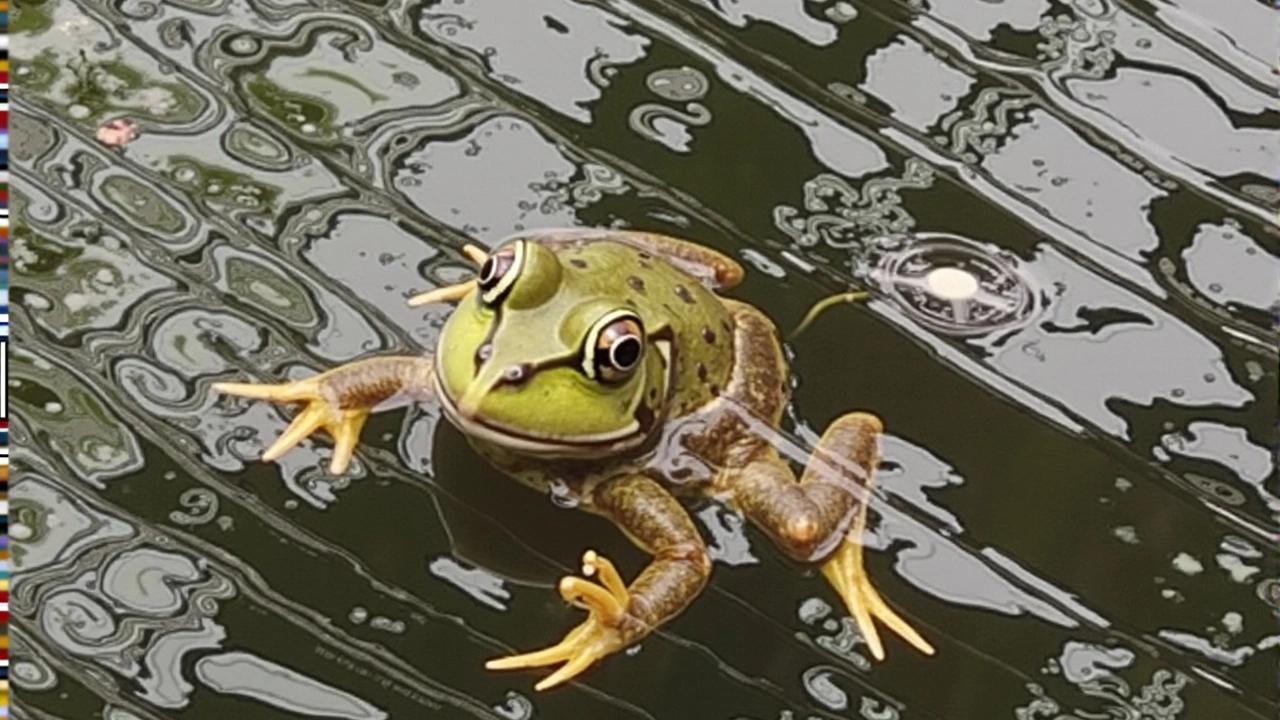
Discovering the Tranquil and Educational Frog Pond Experience
This article traces the serene and educational journey of exploring a frog pond, from the meditative sounds of frog calls to the crucial ecological roles they play. Hosts Chris Martin and Dave Anderson highlight the importance of these ecosystems and encourage responsible conservation practices to maintain their health and biodiversity.