Coalition Tensions: What’s Really Happening in South African Politics?
Coalition politics in South Africa feels like a rollercoaster lately, right? Power struggles between parties like the ANC and DA have moved from backroom deals into daily headlines, flipping the script on what citizens expect from their leaders. People want to know—are these parties actually working together for the country, or just outmaneuvering each other?
The latest debacles aren’t just politicians arguing for the sake of it. If you’ve been keeping up with our news, you’ve seen how the Democratic Alliance challenged President Ramaphosa, demanding the firing of ANC ministers alleged to be involved in corruption. This isn’t just noise—such disputes hold real consequences for government stability, service delivery, and the mood of the country. When coalition partners are at odds, everyday problems like municipal services or economic plans get pushed aside, leaving communities in limbo.
So, what’s causing all this tension? Coalitions emerged after recent elections made single-party majorities rare. Parties now have to compromise, form alliances, and sometimes swallow their pride to keep things moving forward. Sounds simple, but trust between old rivals is tough to build. The DA, for example, issued a stern 48-hour deadline to President Ramaphosa, staking their credibility on demands for accountability. He pushed back hard, showing the government’s internal tug-of-war for control and integrity.
For South Africans, it can sometimes feel like politicians are more interested in point-scoring than fixing things on the ground. Scandals and sackings dominate headlines while basic needs—water, electricity, jobs—can get lost in the political chess match. But understanding these coalition tensions matters because their outcome shapes real policy decisions, funding priorities, and even how fast local potholes get filled.
What should you watch for? First, keep an eye on high-profile disputes like the one over Andrew Whitfield’s removal—these often signal deeper issues between coalition partners. Next, track which parties are taking the initiative on corruption or governance. If a coalition partner goes public with a big demand, it could mean trouble is brewing behind closed doors. And most importantly, look at the impact on your municipality or province—tensions at the top often trickle down to the local level, changing who’s responsible for which services and how effectively things get done.
Zululand Daily News covers these stories not just for political junkies, but for anyone who wants to understand why their roads aren’t fixed or why budgets get delayed. Coalition tensions are more than squabbles; they shape the rhythm of daily life in Zululand and across South Africa. We’ll keep tracking how these standoffs evolve, who comes out on top, and most importantly, what it means for you and your community.
Stay tuned here for real, on-the-ground analysis and the latest on how coalition deals are holding—or falling apart—in the halls of power and in our own backyard.
-
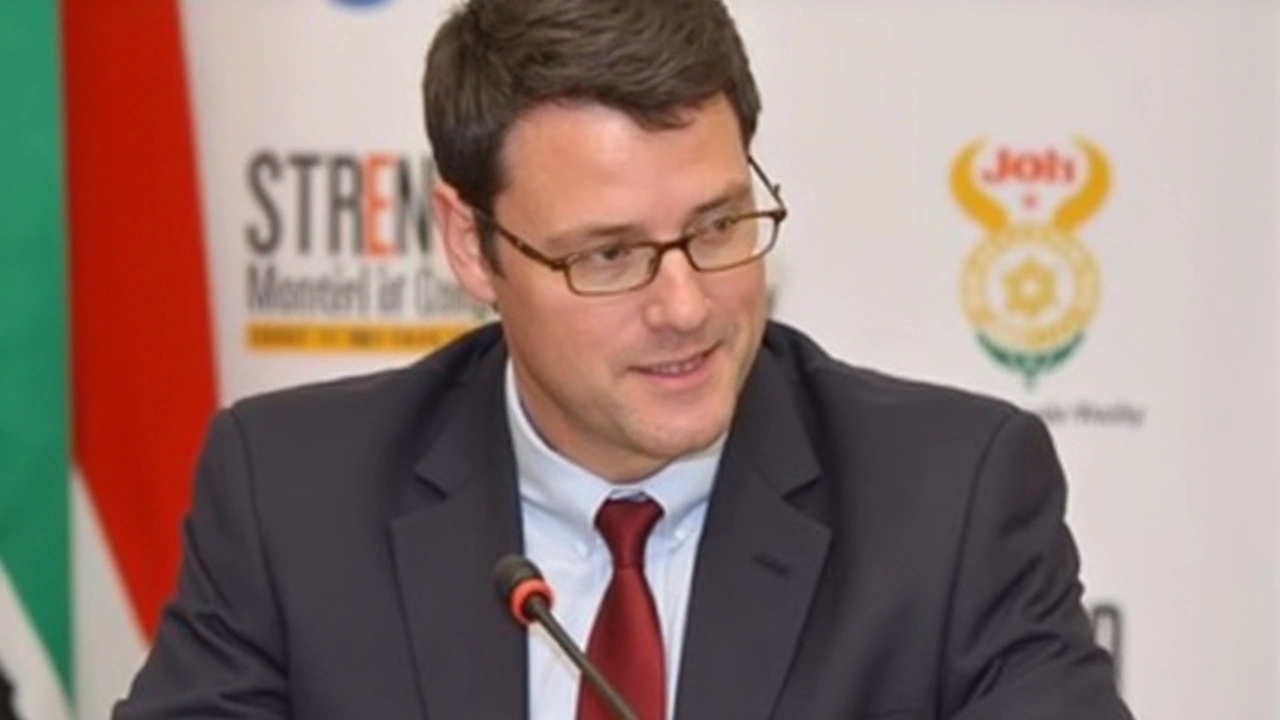
Andrew Whitfield Dropped as Trade Deputy Minister, Sparking Coalition Storm in South Africa
President Cyril Ramaphosa removed DA’s Andrew Whitfield from his deputy minister post, igniting fierce political debate. The DA denounced the move, demanding reinstatement and citing alleged political motives. Reports link the axing to Whitfield’s unauthorized U.S. trip. Despite spiraling coalition tensions, the DA still backs the national budget.