Clock Change in Zululand: What You Need to Know
Ever notice how time shifts can throw off your whole day? Whether you're a parent trying to wrangle morning routines, a commuter catching the early bus, or a sports fan eager to catch late-night matches, clock changes actually touch more of your life than you might think.
In Zululand and across South Africa, we don't deal with daylight saving time like folks in Europe or the US, but occasional shifts do happen—like when schedules align with national holidays, load shedding periods, or government announcements. That quick jump or delay can mean the difference between making your meeting or showing up an hour late without realizing it. It’s not just about setting your alarm clock; local business hours, school start times, even clinic appointments—everything can get shuffled.
We see the confusion every time there’s talk of a time update. People wonder: do I set my clock forward or back? Does my smartphone switch automatically? And what about those gadgets that never seem to catch up—microwaves, old alarm clocks, your grandmother’s wall clock? Missing just one of these can leave you scrambling.
Schools in Zululand sometimes send out notices if the official start time is moved. Transport services occasionally adjust their timetables, which can catch regular riders off guard. Imagine showing up to the bus stop, expecting the usual pickup, only to find you’ve either missed your ride or you’re stuck waiting an extra hour. For shift workers and healthcare staff, even a small shift can really mess with sleep and plans. That’s why big employers and local councils usually give you a heads up if something changes.
It’s not all chaos, though. Modern smartphones and computers usually update automatically. But if you live in a rural area or use older tech, double-check your clocks—especially on days when there’s buzz about a change. Community groups, WhatsApp chats, and local radio often become lifelines, spreading the word quickly when a clock change rolls around. Don’t just rely on hearsay; check reliable local news sources like Zululand Daily News for updates specific to our area.
A lot of people ask: why bother with any time changes at all if we’re not doing full daylight saving? Sometimes, local energy policy or national events prompt minor time adjustments, especially if there’s a need to manage power use or coordinate big events. Even rare, these changes are important—messing up the timing for work, worship, or a family braai can throw off your rhythm.
Bottom line: treat any clock change with respect. Mark it on your calendar, set reminders, and help spread the word to friends and family who might not check the news or social media as often. Keeping an eye on Zululand Daily News means you won’t be caught by surprise. And if you’re supervising kids, elderly relatives, or helping others with routines, a quick reminder about the correct time never hurts. Time changes might seem like a hassle at first, but a tiny bit of prep keeps life running smooth in Zululand.
-
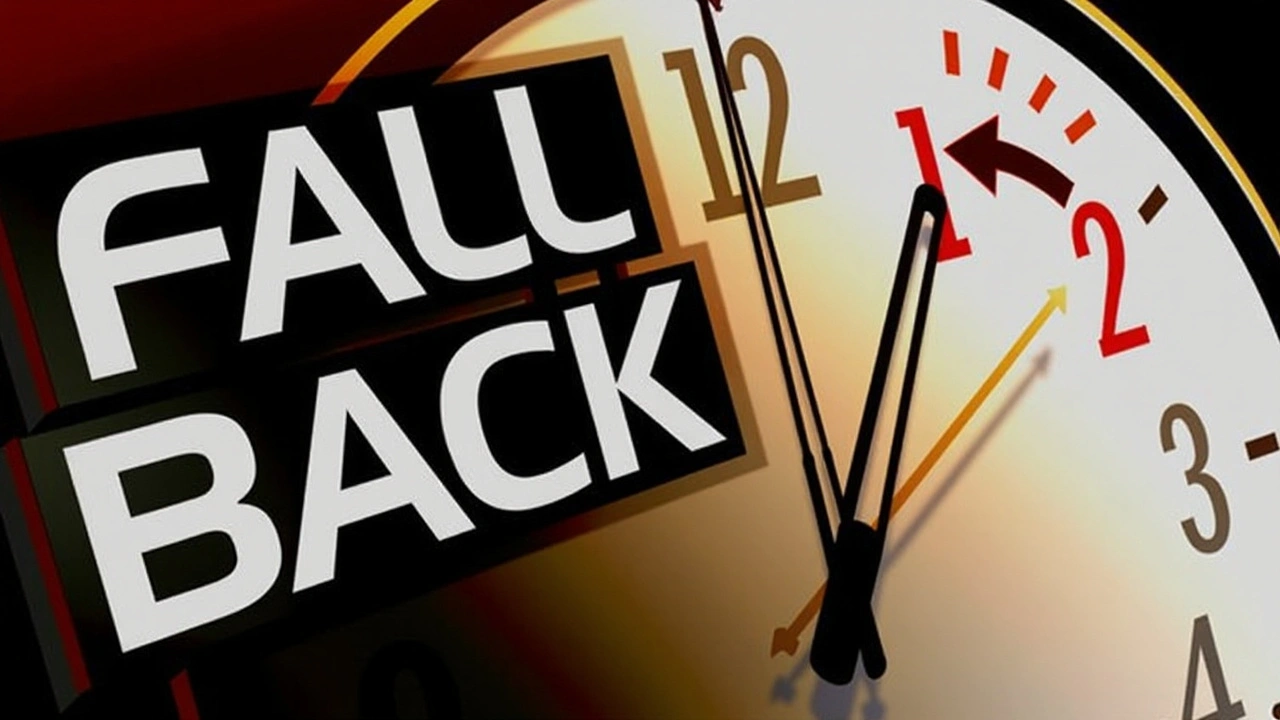
How to Safely Navigate the End of Daylight Saving Time
Adjusting to the end of Daylight Saving Time requires planning and attention. As clocks shift back an hour, it is crucial to be prepared to ensure a seamless transition. This time change affects various aspects of daily life, including driving safety, pedestrian visibility, and sleep patterns. Emphasizing the importance of awareness and planning, individuals can reduce risks and disruptions associated with the annual time change.