Everything You Want to Know About Aviation Safety
Curious if flying is really as safe as airlines claim? When you hear about aviation safety, it can be hard to separate fact from hype. Sure, plane crashes grab headlines, but air travel today is still one of the safest ways to get around. Why is that? It all boils down to strict rules, relentless training, and tech that’s always improving.
Let’s face it: nobody enjoys turbulence or those odd plane noises. But there’s a lot going on behind the scenes to keep passengers safe. Pilots spend countless hours in simulators, learning how to handle scary situations. Every plane follows a maintenance schedule that would make your local mechanic blush. Safety checks happen before every takeoff—no shortcuts allowed.
It’s not just about how pilots fly or how crews check the engines. Air traffic controllers monitor every flight from the ground, talking to pilots and guiding planes around bad weather or busy skies. GPS, radar, and weather tracking tech are now so good, pilots can see what’s ahead long before the naked eye catches it. You have probably noticed more announcements about safety procedures lately—that’s not just for show. It’s all about keeping everyone on the same page if something goes wrong.
Of course, incidents still happen. Cabin crew train for evacuations and medical emergencies—like passenger heart attacks—just as much as for turbulence. When you hear about a plane returning to airport due to a weird smell or minor system alert, that’s actually a sign all the safety protocols work as they should.
But does this mean you can ignore airline advice? Not really. Fastening your seatbelt when told isn’t just about avoiding a fine; unexpected bumps do injure people sometimes—real stats show most in-flight injuries are minor falls or bags falling out of overhead bins. That’s practical, not paranoia.
Here in Zululand and South Africa, local airports take part in global safety checks and sometimes close runways or restrict takeoffs if visibility dips. Weather can bite hard, but modern planes are built for local extremes. Regional airlines are under more scrutiny these days, partly because of social media pressure but mostly because people expect high standards.
If you want to check if your airline is up to scratch, you don’t have to take their word for it. Several independent websites and flight tracking tools let you look up maintenance records, route history, and incident logs. Next time you board a flight, check out the safety card in your seat—find the nearest exit, because knowing is half the battle.
The pace of change in aviation safety keeps ticking upward. From robotic inspections with drones to pilotless tech experiments, the entire industry is hungry for the next innovation. That’s good news for every Zululand traveler, and let’s be honest, a little reassurance if you get nervous while boarding. Stay tuned to Zululand Daily News for grounded updates and tips for stress-free flying.
-
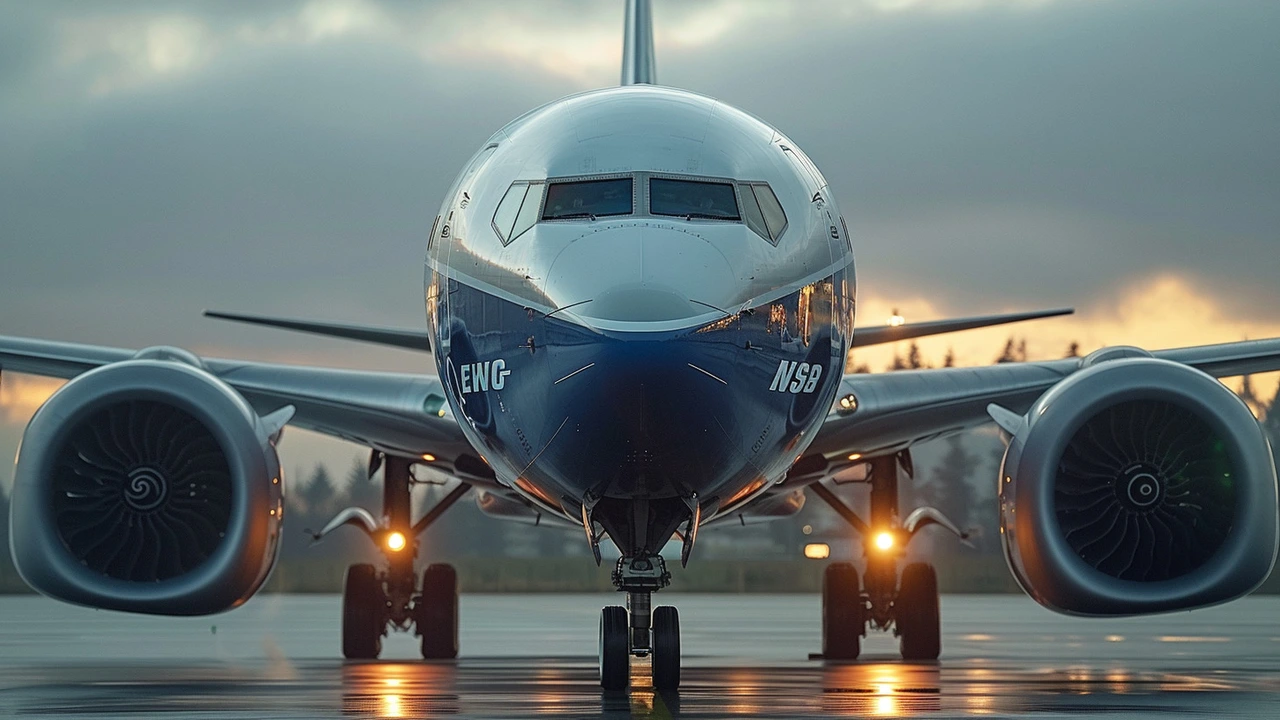
Mysterious Deaths of Boeing Whistleblowers Raise Alarms Over 737 MAX Safety Issues
The recent suspicious death of Mark Forkner, a former Boeing chief technical pilot, has intensified concerns around the 737 MAX's safety. Forkner's death, following that of another whistleblower, has fueled calls for a comprehensive investigation.